
Construcciones Yamaro: The project-critical role of temporary works in construction
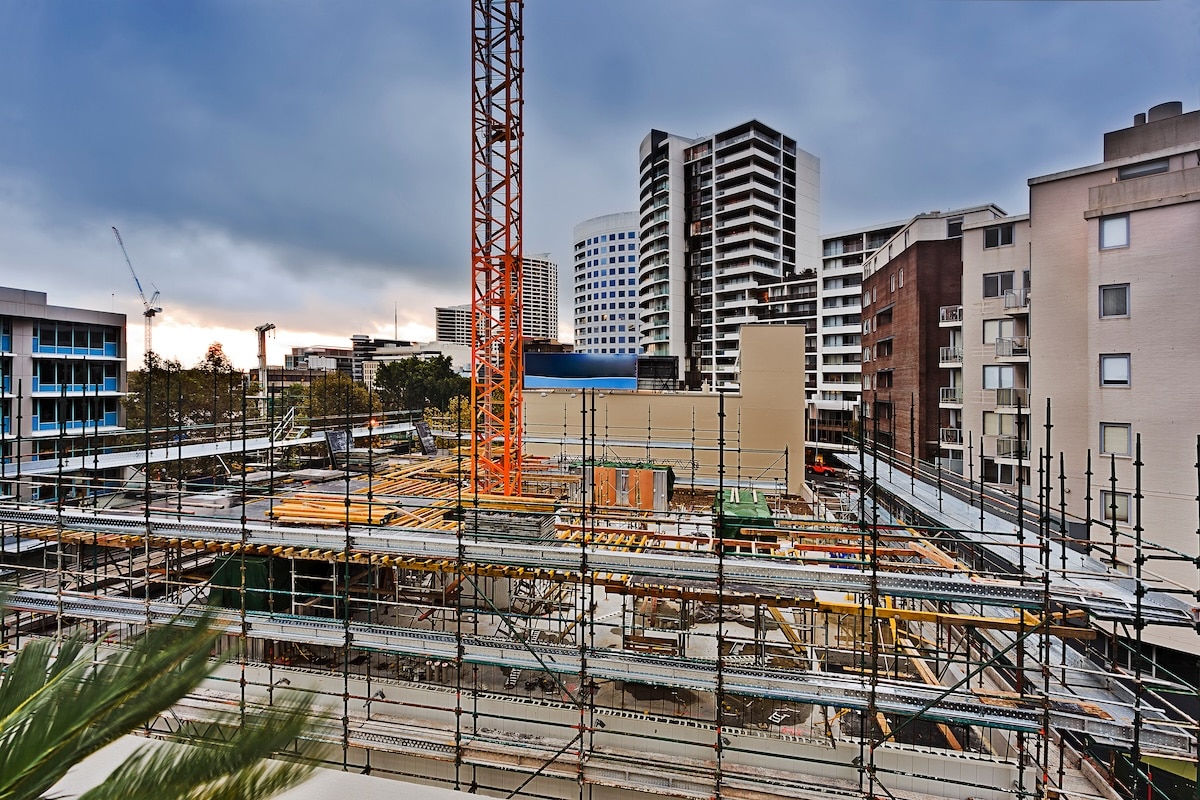
From groundwater management and excavation shoring to structural propping, temporary works can have a major impact on project delivery. Involving temporary works specialists earlier can help reduce risk and improve construction outcomes.
Temporary works can determine whether a project succeeds or struggles, yet they can be overlooked during planning. The finished asset is naturally a key focus. It’s what the client is paying for.
But long before an office tower, shopping centre or hospital project is complete, construction teams must solve a range of challenges that only exist while the work is being carried out.
Groundwater, excavations, access, staging, environmental constraints, bypass systems, shoring and propping all need to be managed safely and efficiently before permanent works can progress.
According to Ernest Lapornik, engineering solutions specialist at Coates, these temporary considerations can have a major impact on project outcomes.
“One thing I’ve noticed over the years working around mining, construction and infrastructure projects in various roles is how often temporary works end up driving a project’s success despite getting very little attention during the planning stages,” says Lapornik.
“Before any of that gets built, someone has to deal with groundwater, excavations, access, staging, environmental constraints, bypass systems, shoring, propping and a dozen other challenges that only exist while construction is happening. Those temporary problems can become some of the biggest risks on the job.”
When planning comes too late
Temporary works are, by definition, not intended to remain part of the finished asset. Yet the decisions made around them can influence safety, productivity, project sequencing and cost.
“I’ve seen projects where an enormous amount of effort went into designing the permanent works, only for the temporary works to become an afterthought,” says Lapornik. “It doesn’t always end badly, but when it does, the costs add up quickly through delays, redesigns, variations and equipment sitting on hire longer than anyone expected.”
When challenges emerge during construction, project teams can be forced to react rather than plan, resulting in additional cost, complexity and schedule pressure.
In many cases, these issues can be mitigated through earlier engagement and more thorough planning.
The case for early input
One opportunity is to consider temporary works earlier in the project lifecycle.
“Not because every project needs an elaborate engineered solution, but because a few conversations early on can identify risks, simplify construction and often save a lot of money later,” says Lapornik.
Early discussions can also help project teams better understand construction constraints, site conditions and project sequencing requirements before work begins on site.
This is particularly relevant on complex infrastructure, civil and industrial projects where access, groundwater management, bypass pumping, shoring, propping or environmental considerations can influence how construction is delivered.
More than equipment hire
Temporary works involve more than equipment. It’s important to understand how different solutions integrate with the construction process.
“It’s worth remembering that temporary works aren’t just about hiring equipment,” says Lapornik. “The equipment is usually the easy part. Understanding how everything fits together safely and efficiently with the construction sequence is where the real value lies.”
This requires collaboration between contractors, consulting engineers and specialist temporary works engineers to ensure temporary propping, shoring and water management solutions are aligned with project requirements from the outset.
When planned effectively, temporary works can improve construction efficiency, reduce risk and help projects stay on schedule. Yet successful temporary works are often invisible to everyone except those directly involved in their delivery.
“The irony is that when temporary works are planned well, nobody notices – the job just runs,” says Lapornik. “When they’re not, everyone notices.”
The post The project-critical role of temporary works in construction appeared first on Inside Construction.
View Source


Comments
Post a Comment