
Construcciones Yamaro: O’Brien Glass brings national consistency to commercial glazing
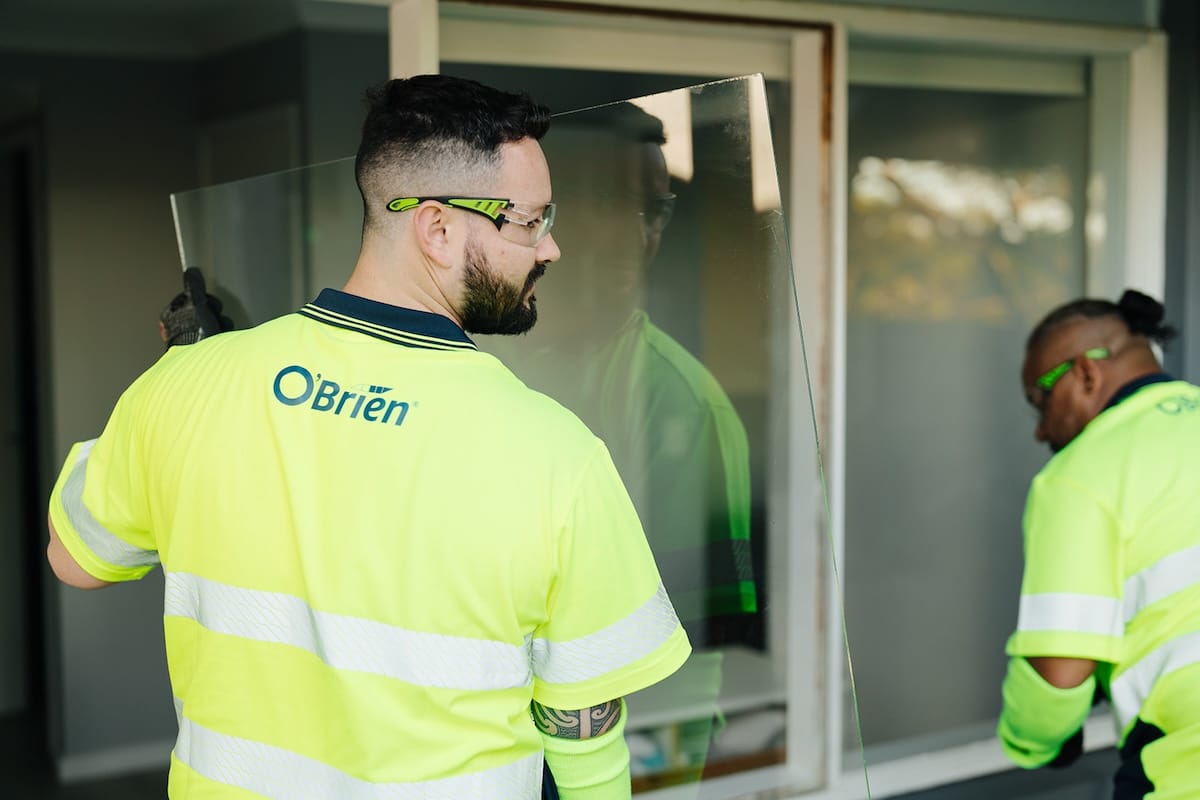
At O’Brien Glass, scale, systems and compliance are what separate a glazing contractor from a strategic partner with the capability to deliver nationally.
Keith Lawrence, head of property services, says the company’s offering has been developed around that distinction, supporting construction businesses, facilities managers and large asset owners that need glazing work delivered with the same level of control across every site.
The work spans reactive repairs, emergency glazing, double-glazing replacement, window film, partitions, security upgrades and project-based glazing. Across larger portfolios, those jobs also carry the administrative and compliance load around site access, make-safe requirements, approvals, records, invoicing and tenant disruption.
“The market has changed. It’s no longer enough to be good at glazing,” says Lawrence. “Clients now expect the work to be supported by safety processes, documentation, reporting and compliance. A supplier can complete a glazing job. A strategic partner understands what the client is managing beyond that one job.”
A damaged shopfront has to be made safe, assessed, measured, approved, procured, installed and recorded. The difficulty for a national retailer, facilities manager or managing contractor is not the single repair but repeating that process across every location.
Related stories:
- Glazing finesse on display in Sydney’s Castlereagh Street
- O’Brien AutoGlass expands presence in Tasmania
- Parramatta office to house Western Sydney University students

“For large organisations, the issue isn’t usually finding someone who can replace a piece of glass,” says Lawrence. “The issue is getting the right response, records, safety checks and communication across every site. If every site uses a different local contractor, the client can end up with different response times, different reporting and different ways of managing risk.”
The O’Brien Glass model is organised around two connected areas: building and fit-out work for planned construction, refurbishment and upgrades, and business-to-business portfolio support for existing assets, including reglazing, emergency response, shopfront repairs and insurance-related work.
“They’re different types of work, but the client expectation is similar,” says Lawrence. “They want to know who is responsible, how the job is being managed and what outcome they can expect.”
In building and fit-out, O’Brien works across live commercial programs, from cafés with custom façades and shopping centres to grocery stores, automotive dealerships, restaurants and commercial upgrades.
A glazing package may be one line in a wider program, but it still has to be reviewed, sequenced and delivered safely. O’Brien works from drawings supplied by the client, builder or design team, with engineers and technical staff assessing the design, specification, compliance requirements and installation method before the glazing work commences.
“If we see something that could create a risk, delay or challenge, we raise it early and work through it with the client or contractor,” says Lawrence. “Sometimes we can bring a different lens to the drawings and suggest a simpler way to achieve the same outcome.”
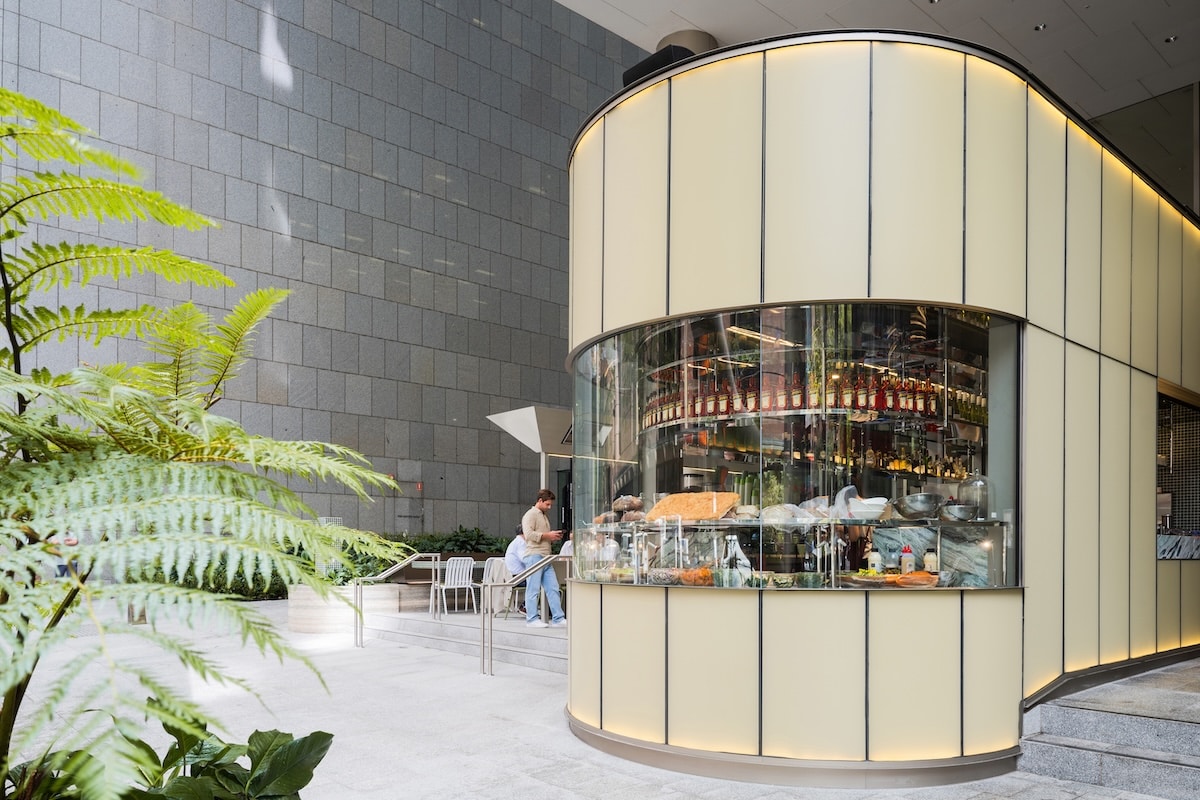
During delivery, the project manager connects the glazing scope to the builder’s program, giving the client one point of contact for timing, access, communication and documentation.
“On complex sites, communication is everything. There are multiple trades, tight programs and different stages of work happening at the same time, so clients need a clear point of contact. For O’Brien, that’s the project manager,” says Lawrence.
“Having a single accountable partner removes ambiguity. If the glazing package is split across different providers, it can become unclear who is responsible for the work, timing, documentation and final result.”
The portfolio side involves existing assets where safety, access and business continuity are immediate concerns. A broken shopfront, damaged entry, failed double-glazed unit or required security upgrade has to be assessed quickly, made safe where required, and moved through the right approval path.
A glazier attends site, confirms the glass type, takes measurements and determines whether a like-for-like replacement is suitable or whether an upgrade should be considered. The assessment gives clients advice on safety, performance, security, lead times and trade coordination before the job proceeds.
O’Brien clients are often managing large, distributed property portfolios across retail stores, offices, schools, airports and other commercial assets.
“The common thread is that these clients need reliable glazing support across multiple sites, often across different states and regions,” says Lawrence. “They need a glazing partner that can work within their systems and respond wherever the need arises.”
The company’s national footprint is designed to give clients the same standard of response, workmanship and reporting from one location to the next. O’Brien has branches across Sydney, Newcastle, Brisbane, Melbourne, Bendigo, Hobart, Launceston, Adelaide and Perth. They are supported by a vetted subcontractor network across regional Australia. Whether the work is delivered by a branch team or an approved regional provider, the client is still dealing with O’Brien.
The company also uses software to capture job information, track work and alert the team when something needs attention, supported by a central team managing national accounts where work crosses branches or involves the subcontractor network.
“Clients don’t want the service to change depending on the postcode,” says Lawrence. “Whether the work is in Sydney, Melbourne or Perth, the expectations are usually the same.”
O’Brien backs that coverage with more than 120 glaziers, dedicated trainers and a capability matrix that records skills and experience across its glazing teams. The system helps match people to the right work, identify training needs and support apprentices and qualified glaziers as project requirements change.
Subcontractors go through their own checks before representing O’Brien. Accreditations, trade qualifications, current insurances and workmanship all have to be reviewed. The reason is commercial as well as technical – O’Brien provides a workmanship guarantee, so anyone working on its behalf must be able to support that commitment.
“That guarantee is a key part of how we manage the approved network. If someone is working on our behalf, they need to support the promise we’re making to the client,” says Lawrence.
“Operational discipline means the work is done properly and the process around it is controlled. That includes workmanship, but it also includes communication, site access, documentation and the way teams use client systems. The glass has to be right, but clients also need confidence in the process behind it.”
Much of the compliance work happens before anyone arrives on site. Schools may require child protection checks, police checks, inductions and additional site requirements; universities, hospitals, airports, government-related portfolios and commercial property groups can each bring their own rules around access, reporting, safety and documentation. O’Brien has embedded systems to support the facilities manager’s reporting chain, giving asset owners the records attached to each job.
Many large organisations now require job updates, attendance records, photographs, invoices, reporting information and sign-offs to be uploaded through their own systems. Across a national account, O’Brien has to manage those requirements as part of the service.
“Every client’s system can be different, so it’s not as simple as completing the glazing work and moving on to the next job,” says Lawrence. “You need to make sure your teams understand the requirements, have access to the right systems and update the right information at the right time.”
O’Brien supports those obligations through a central team that maintains workforce records, manages access to client portals and keeps safety checks and site requirements current. Its glaziers are also taken off the tools several times a year to complete or update training and compliance requirements.
“That’s a real investment for the business, but it means the people arriving on site are qualified, compliant and ready to work within the client’s requirements,” says Lawrence. “For O’Brien, compliance isn’t something handled at the end of a job. It has to be built into the way the work is managed from the start.”
The company’s national structure is supported by glaziers and technical specialists with experience in non-standard glazing, from custom façades, performance upgrades and security requirements to double-glazing replacement, window film, partitions and work where glass interfaces with framing, finishes or other building elements.
“There are situations where other trades need to be involved,” says Lawrence. “If glazing work affects framing, finishes or other building elements, we can help coordinate that wider solution. We’re not only providing glazing advice; we can manage the process and bring in the right trades where required.”
O’Brien has team members with 20 to 30 years’ experience, giving clients access to trade judgement developed across different site conditions, glass types and installation challenges. Experienced people also support the next generation of glaziers, passing on site knowledge that formal training alone can’t provide.
“You can’t look past experience in glazing,” says Lawrence.
Lawrence says nationally coordinated, compliance-led models are already influencing how trades are managed across the construction and property sectors.
“Clients will still expect technical expertise, but they’ll also expect clear processes, accurate documentation, reliable reporting and the ability to deliver across multiple locations,” he says. “Businesses with the scale and systems to support that will be well placed.”
O’Brien isn’t separating glazing from the craft of the trade. It’s giving that craft the structure, records and national delivery model large portfolios now demand.
To learn more or plan your next project, call 13 16 16 or visit obrien.com.au
The post O’Brien Glass brings national consistency to commercial glazing appeared first on Inside Construction.
View Source


Comments
Post a Comment