
Construcciones Yamaro: Building data centres in Australia: Managing power, cooling and risk
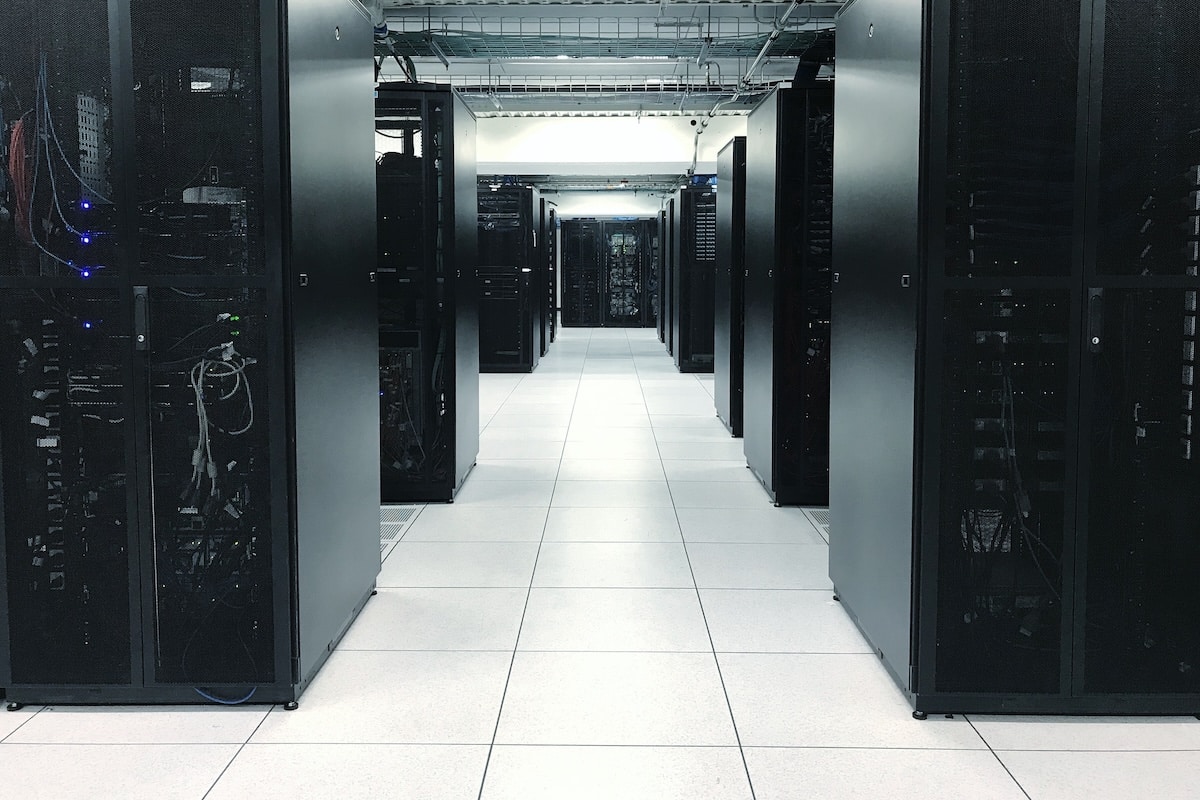
Data centres are booming across Australia, and building them isn’t business as usual. Find out what it takes to support safe, efficient construction.
Driven by exponential demand for AI and cloud computing, Australia’s data centre pipeline is accelerating at unprecedented speed – reshaping construction, infrastructure investment and energy demand in the process.
This is not a typical construction cycle; it’s a structural shift in how Australia builds, powers and cools critical infrastructure.
“Data centres are no longer considered typical commercial builds, but infrastructure-grade assets with critical redundancy requirements, high energy intensity and tightly sequenced commissioning programs,” says Kurt Edwards, group manager at Coates Power & HVAC.
That’s where specialist equipment, engineering expertise and integrated temporary infrastructure become critical. From early works through to commissioning, solutions that manage power stability, thermal performance and construction risk are essential to keeping projects on track.
“The complexity of construction and operational requirements makes temporary power, cooling and ventilation systems key to the successful delivery of data centres,” says Edwards. “Safely and efficiently deploying these assets helps major contractors to reduce risk, deliver on schedule and maintain compliant operations throughout construction and commissioning.”
Managing complex requirements
For workers building these data centres in the outer suburbs of Sydney and Melbourne, where summer temperatures can exceed 45°C, conditions inside predominantly enclosed structures can become unbearable. Supplying cool, fresh air is critical not only for worker safety and comfort, but also to help maintain construction productivity and meet project timelines.
“To protect the construction workforce, maintain comfort and support OH&S requirements, data centres often utilise temporary cooling and ventilation packages to maintain safe working conditions,” says Edwards.
During fit-out and pre-commissioning, Coates deploys modular cooling systems – including scalable chiller, pumping and air handling systems or packaged air conditioners – to maintain controlled internal environments. Temporary power solutions can be implemented to support rental temperature control equipment or provide power for commissioning of mechanical and electrical systems.
Delivering these systems requires close coordination across multiple trades. Coates’ specialist teams work alongside mechanical services (HVAC) contractors, plumbers, electricians and lead contractors to integrate temporary power and cooling into evolving site conditions, ensuring systems are safely commissioned and aligned with project staging.
Effective planning and communication are critical throughout this process. Drawing on its engineering expertise and project management experience, Coates designs temporary power and cooling solutions aligned to stakeholder requirements, site constraints, commissioning schedules and changing load demands.
“To ensure power continuity, temporary power solutions must be designed to meet electrical load profiles while considering generator turndown and potential for short cycling, balanced with the need to meet minimum power generation requirements,” says Edwards. “To do this, we model different operating scenarios against equipment configuration including load banks or BESS while considering performance and fuel economy. Getting this right helps ensure sufficient power is available on demand, while minimising fuel consumption and operating costs.”
Optimising staged delivery and commissioning
To meet rapidly growing demand, modern data centres are typically delivered in phases with progressive commissioning as systems come online. This staged approach introduces one of the most complex periods of the project – where construction, testing and live operations often overlap.
During commissioning, systems must be tested to simulate real-world conditions before permanent power and cooling infrastructure is fully operational. This includes energising equipment, validating performance, proving system redundancy and simulating loads.
Temporary power and cooling infrastructure also plays a critical role during this phase. Modular solutions can be scaled to match commissioning requirements, enabling teams to test systems progressively as building systems come online.
“Commissioning is one of the most critical phases of any data centre project, where system performance, reliability and resilience are put to the test,” says Edwards. “Temporary power and cooling infrastructure enable contractors to undertake that testing safely, efficiently and in line with project schedules, helping reduce risk before facilities become operational.”
Delivering integrated, engineered solutions
Coates delivers more than standalone equipment – its specialist team provides integrated power and cooling solutions aligned to each project stage. These include:
- Temporary power systems: diesel and hybrid generators, battery energy storage systems (BESS), distribution boards and load banks, designed to efficiently support and maintain electrical supply to temporary and permanent equipment;
- precision cooling solutions: modular chiller systems, air handling units and packaged air conditioners, configured to maintain safe ventilation and temperature control during construction; and
- fluid and cooling ancillary equipment: pumps, manifolds, hoses, buffer tanks, expansion tanks and fittings that integrate with mechanical services and enable tailored cooling configurations.
“With considerable experience delivering major infrastructure in high-risk environments, Coates understands that data centre customers require much more than just equipment supply,” says Edwards. “They demand engineering capability, technical expertise, project management experience and close coordination between stakeholders and delivery teams from end to end.”
The post Building data centres in Australia: Managing power, cooling and risk appeared first on Inside Construction.
View Source


Comments
Post a Comment