
Construcciones Yamaro: FCON26 leaders panel puts people at the centre of change
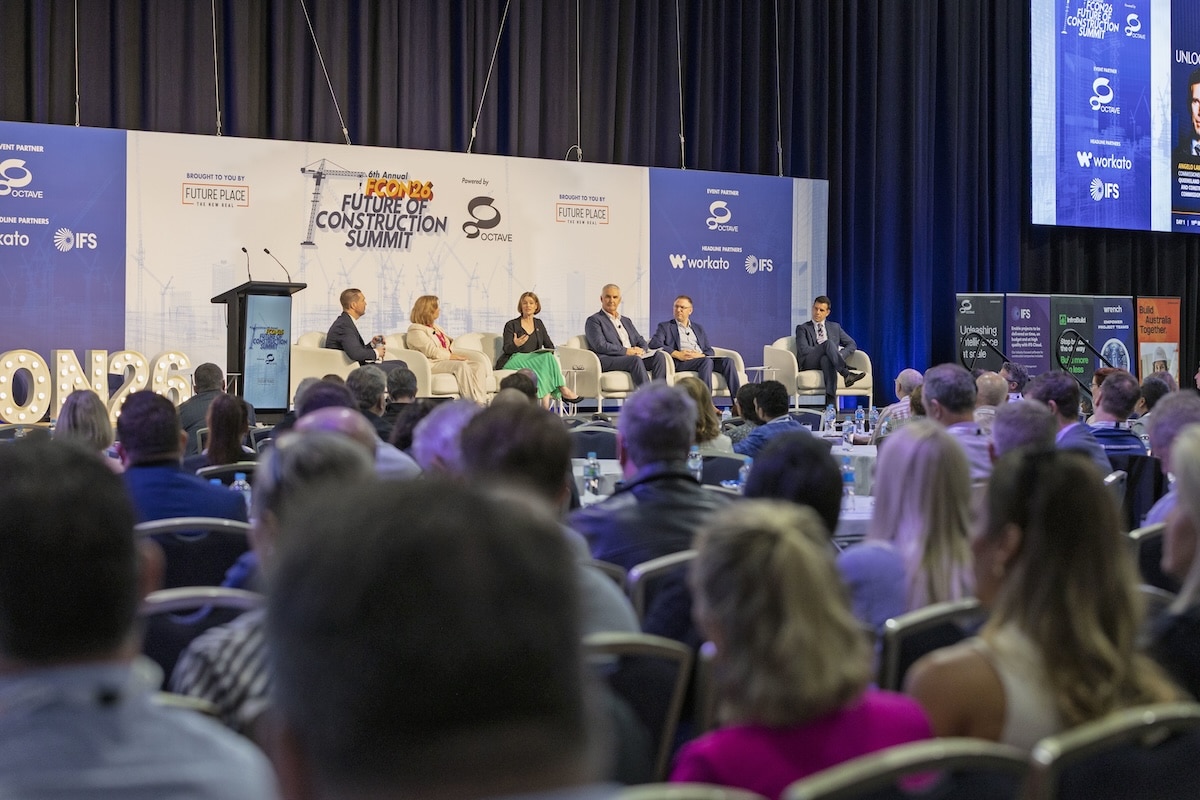
Reflecting on FCON26 discussions, the CEO of the National Association of Women in Construction (NAWIC) says the industry has reached an inflection point.
By Cathryn Greville, CEO of NAWIC.
Australia has a $242 billion infrastructure pipeline and not enough people to deliver it. That’s not a projection – it’s where we are right now. The industry will need up to 300,000 additional workers by 2027–28, and the gap is already showing up on sites, in schedules and in budgets.
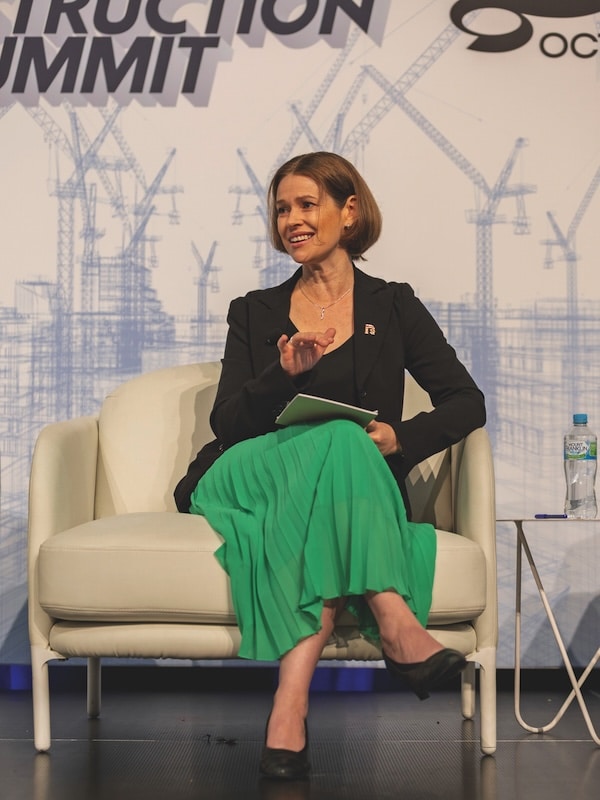
I recently joined the opening Construction Leaders Panel at FCON26 in Brisbane, alongside leaders from across the sector. The session covered productivity, workforce, sustainability, procurement, AI and digital adoption. But a single thread ran through every topic.
Every challenge this industry faces leads back to people, not as a soft observation about culture or values but as a structural diagnosis with commercial consequences.
The instinct when facing a workforce shortage is to reach for recruitment – more apprentices, visa pathways and school engagement programs. We need all of those, but recruiting into a workplace that people leave quickly isn’t going to solve the problem. We are filling a leaky bucket.
The workforce demographics tell a story the industry can’t afford to ignore. Women represent just 12.4 per cent of the sector and only 3.4 per cent of trades. A third of licensed contractors are over 55. The average age is 49. Only six per cent are under 30. A generational cliff is arriving, not in 10 years, but now.
The biggest reason women leave construction is pregnancy. Once they leave, the structures that would allow them to return are largely absent: flexible roles, parental leave, part-time pathways back into site leadership. This isn’t a diversity issue; it’s a retention failure.
The case for broadening the workforce is a performance argument. Diverse teams make better decisions, manage risk better and deliver better outcomes. Broadening the workforce isn’t a social obligation sitting beside the productivity agenda; it is the productivity agenda.
Construction productivity in Australia has fallen since 1990, while the rest of the economy grew by 35 per cent. The problem isn’t predominantly with the tools on site. It’s upstream, in planning decisions made too late, procurement models that reward the lowest bid and spend years managing the consequences, and contractual structures designed to transfer risk rather than solve problems.
Related stories:
- NAWIC campaign calls for better support for parents in construction
- NAWIC awards celebrate excellence in construction
- NAWIC board welcomes new director
The cost of people constantly moving on is often left out of the productivity conversation. With a job mobility rate of 7.9 per cent, nearly one in 12 construction workers changed employer last year. Every departure takes institutional knowledge with it. Every new hire requires time to get up to speed. Those costs are real, but they never show up as a line item. The cost of losing workers is enormous.
Until the industry treats productivity as a culture and leadership challenge rather than a technology one, the record levels of investment flowing in right now will not return what they should.
What struck me at FCON26 wasn’t the scale of the challenges, though they are immense. It was the convergence of diagnosis and the openness to change.
The scale of current pressure creates leverage for structural reform that wasn’t available in quieter times. Governments, clients, boards and contractors are more willing to change how this industry operates than they have ever been. That’s a time-limited opportunity.
The leaders who finish this decade ahead will not simply be those who adopted the best technology but those who reformed their commercial structures, built workplaces that retain people and treated delivery performance as a strategic capability rather than a project-by-project gamble.
Most of what holds this industry back gets blamed on regulation, supply chains or market conditions – forces that seem to require others to act first. But how you set up a contract, how you treat people in your organisation and who you put in the room when decisions get made are within your control today.
The industry is finally asking the right questions. Now we need the answers to stick.
Find out more about NAWIC and its work.
The post FCON26 leaders panel puts people at the centre of change appeared first on Inside Construction.
View Source


Comments
Post a Comment