
Construcciones Yamaro: Sarah Constructions strengthens site validation with Cupix
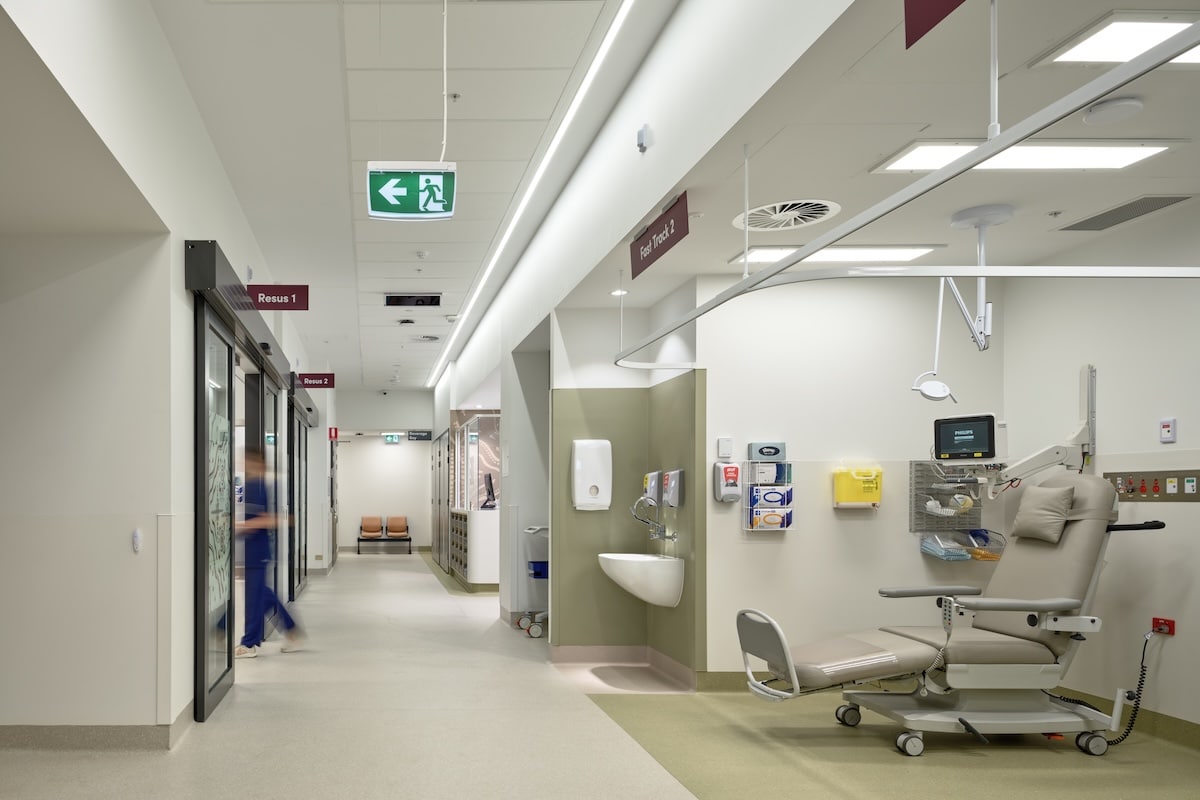
A search for better on-site validation led Sarah Constructions to Cupix.
| Project: Port Pirie Hospital Emergency Department redevelopment Client: SA Health, Department for Infrastructure and Transport Builder: Sarah Constructions Value: $15.6 million Location: Port Pirie, about 230 kilometres from the Adelaide CBD Contract type: Construct-only Cupix use: BIM validation, 360-degree site capture, remote checks, image records, subcontractor coordination, progress tracking and handover support Measured outcomes: About 50 per cent reduction in subcontractor-to-subcontractor back charges and about $6,000 saved in non-recoverable variations |
Sarah Constructions has spent more than six decades delivering complex commercial projects across education, healthcare, aged care, defence, retail and multi-storey accommodation.
Digital manager Alex Willshire says the business is built on a long-held belief: great buildings are created by great relationships. It can be seen in how Sarah Constructions works with clients, subcontractors and site teams. Collaboration, measured innovation and a “doing what we say we will do” mentality shape how the company delivers projects.

The South Australian, family-owned builder continues to explore new ways to connect coordinated design information with construction outcomes. When Willshire and the digital team assess new technology, the question is always whether it will support the people on site.
By 2023, Sarah Constructions had already established BIM-led coordination, model-based reviews and structured digital delivery processes across several projects. More work was being done upfront with subcontractors to resolve clashes before construction and provide teams with more accurate information to build from. The next challenge was extending visibility between the coordinated model and what was physically being built on site.
“That was where we saw value in Cupix. By combining BIM models with 360-degree site captures, we could compare site conditions against the coordinated design earlier and identify any deviations before they became larger issues,” says Willshire.
“The other driver was image capture. Site teams were taking countless photos, often stored on individual devices or buried in project folders. Cupix provided a centralised visual record that was easier to access and use.”
The business was keen to test what the platform could do, but first it had to build trust.
“One of the broader challenges in construction is introducing digital tools in a way that earns trust on site. With BIM tools, the industry has sometimes been asked to trust systems that haven’t translated cleanly from the office to the field,” says Willshire.
“As a digital team, we want people on site to form their own view of whether a tool is adding value. We’re not there to sell it to them. We want them to test it, challenge it and tell us honestly whether it works.”
Related stories:
- Leighs Construction captures the full picture with Cupix
- Naylor Love lifts site visibility with Cupix
- Spatial capture gives John Holland a new lens on site
He says Sarah Constructions’ approach to innovation focuses on implementing technology that supports established governance, project controls and outcomes.
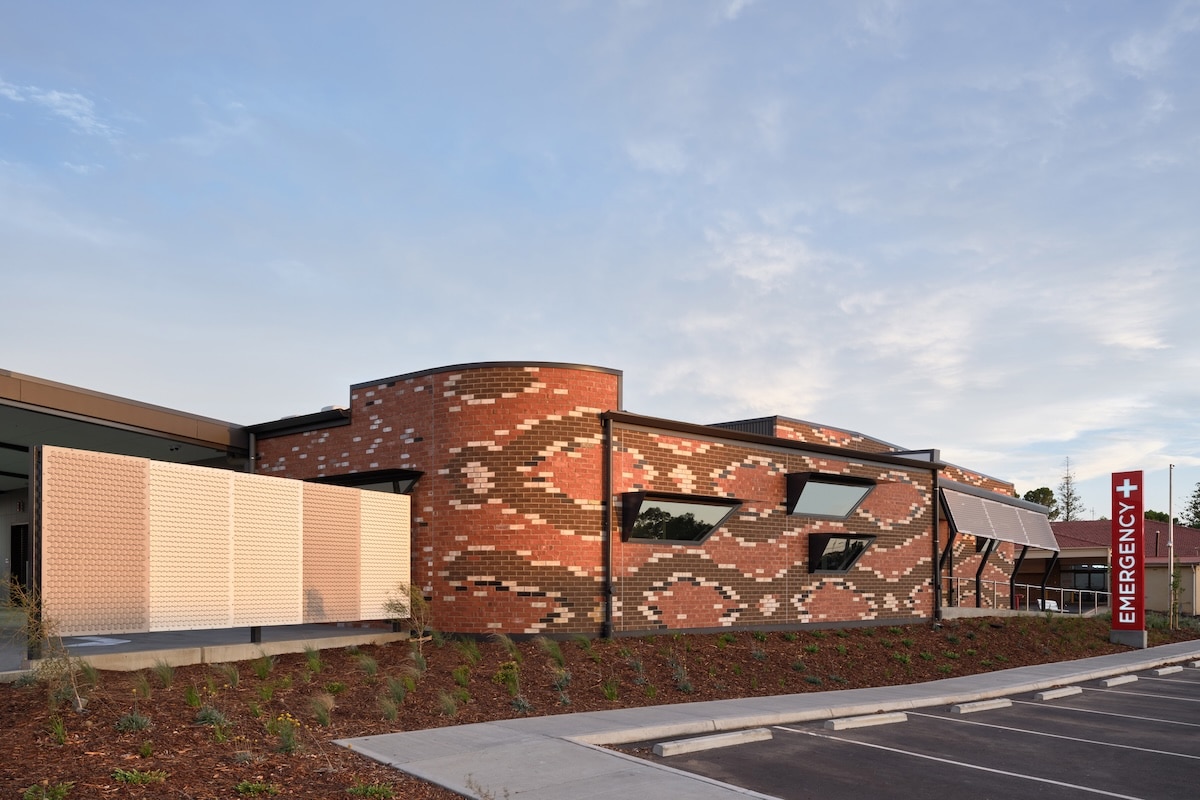
To assess whether Cupix could deliver value in the field, the company selected the $15.6 million Port Pirie Hospital Emergency Department redevelopment as a pilot project. The regional healthcare project involved complex services coordination, travelling subcontractors and limited opportunities for rework, making certainty and validation critical to its success.
Although delivered under a construct-only contract, where the contractor wouldn’t traditionally carry the same level of design responsibility, Sarah Constructions saw an opportunity to leverage BIM and Cupix to identify potential issues early.
“The project’s complexity made upfront design and construction coordination vital. We wanted to resolve as much as possible before work reached site, but we also needed confidence that what had been coordinated was being built as intended,” says Willshire.
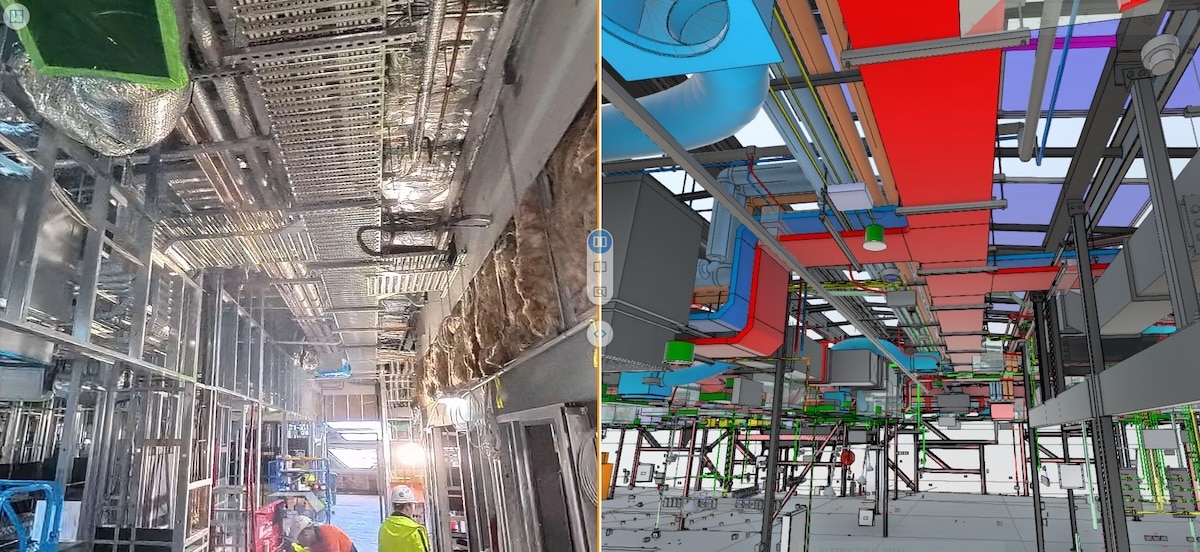
By overlaying BIM models within the 360-degree capture environment, the team was able to undertake remote validation checks and confirm installations aligned with the coordinated design. In several instances, deviations were identified early and resolved before impacting downstream trades or program.
Both Sarah Constructions and its subcontractors adopted the platform extensively because it provided what Willshire describes as “X-ray vision”. If a cable had later been concealed by wall linings, for example, the team could return to an earlier capture, locate the service and provide accurate information without opening up completed work.
Without that visibility, contractors may have needed to investigate blindly, creating unnecessary damage, disruption and cost. The ability to quickly verify conditions reduced uncertainty and supported more informed decision-making on site.
“On Port Pirie, when compared with similar projects delivered using more traditional site documentation methods, we experienced about 50 per cent fewer subcontractor-to-subcontractor back charges and avoided about $6,000 in non-recoverable variation costs that we may otherwise have absorbed,” says Willshire.
“In terms of time savings, the main benefit was assurance that we could deliver to program. The supervision and coordination teams felt in control because the information was visible and easy to verify.
“It’s important to say that this was a team outcome. Cupix wasn’t the only factor, but it contributed strongly to those results by giving us better information and helping people resolve issues earlier.”
When variations arose, previous captures allowed the team to identify structural elements, bracing and concealed services before work commenced, reducing the risk of damage, rework and unforeseen costs.
Beyond validation, Cupix improved planning and collaboration. Subcontractors could independently review site conditions and progress rather than relying solely on updates from the project team.
“Cupix provided a shared view of the project and helped ensure trades arrived when work was ready to begin,” says Willshire.
For asset owners, he sees longer-term value in the record captured throughout construction.
“From an asset owner’s perspective, as-built information doesn’t always reflect what has been installed,” he says. “Cupix gave us a more proactive way to complete quality checks compared with relying solely on drawings after the fact, helping build confidence in the information being handed over.”
The Port Pirie pilot also provided an opportunity to test SiteInsights, Cupix’s AI-powered progress tracking tool. By aligning site captures, BIM models and project schedules, Sarah Constructions was able to explore how automated progress measurement could support progress claims across services, partitions and ceilings.
The exercise provided insight into where automation could support project controls and where the technology still has room to mature.
Willshire also sees potential in training and knowledge transfer. A project like an emergency department contains specialised rooms, services and systems that many emerging industry professionals may never have the opportunity to see during construction. The ability to revisit spaces and understand how they were assembled creates a learning resource for future projects and teams.
While still in the evaluation phase, the pilot has demonstrated how enhanced visual records, validation workflows and accessible project information can support better decision-making throughout delivery. The platform isn’t yet standard across all Sarah Constructions projects, but it’s since been used on two additional projects at different stages of delivery.
The most recent project has utilised Cupix from day one on site, including for dilapidation reporting.
“That’s allowed us to look at the full benefit of capturing site conditions from the beginning, including in-ground works. It’s also a non-BIM-driven project, so we have been testing how Cupix can be used outside a modelled environment,” says Willshire. “We have been able to overlay drawing information onto the lightweight point cloud file and validate that trenches have been installed in the correct location.”
For Sarah Constructions, the pilot has reinforced the role that structured digital delivery, visual validation and accessible project data can play in reducing risk, improving collaboration and giving project teams greater confidence in the decisions they make every day.
The post Sarah Constructions strengthens site validation with Cupix appeared first on Inside Construction.
View Source


Comments
Post a Comment