
Construcciones Yamaro: A coordinated approach to site productivity
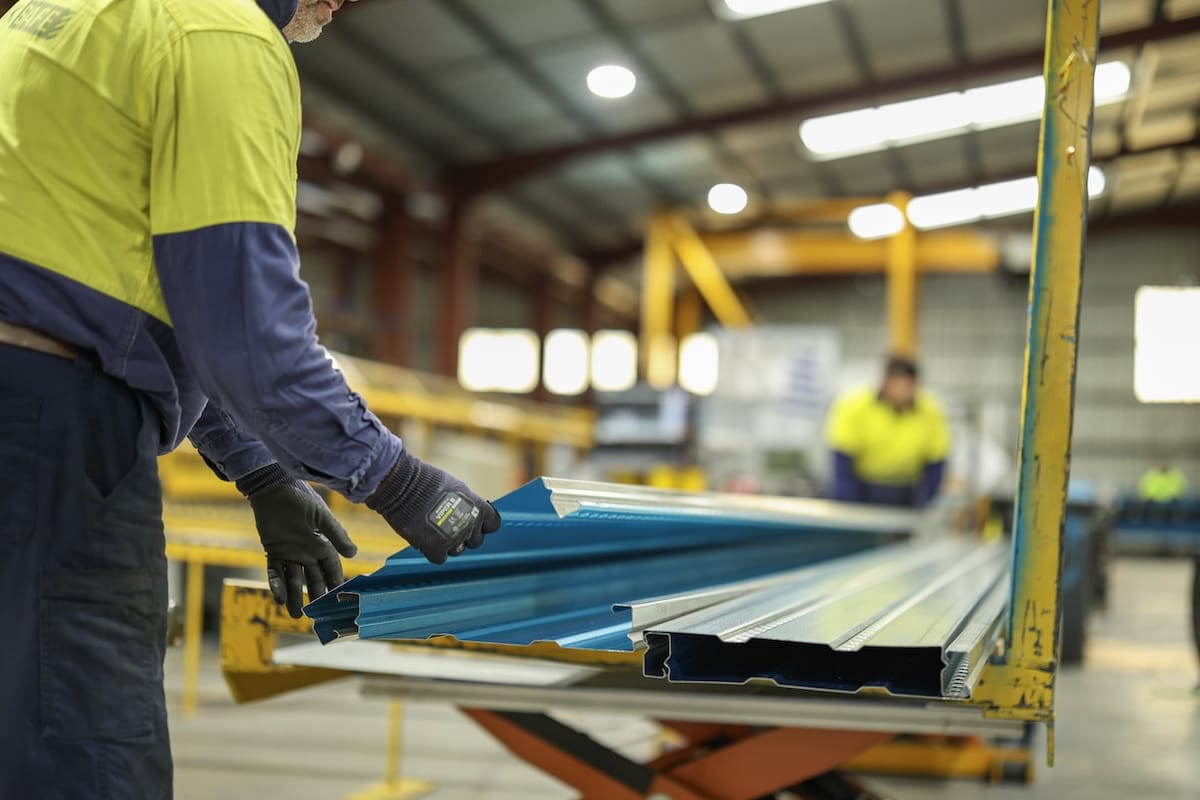
FTI Group is turning design support, manufacturing control and coordinated delivery into productivity gains on site.
According to Oxford Economics, Australia’s construction workforce is building less per worker than it did 35 years ago. The firm’s 2025 report, The Construction Productivity Challenge in Australia, estimates stagnant productivity is costing the country $62 billion in lost work each year.
As industry and government explore ways to turn the tide, modern methods of construction (MMC) offer one way to improve how projects are designed, supplied and delivered.
FTI Group’s building solutions align with MMC principles by moving more work into design coordination, off-site manufacture, project-specific detailing and sequenced delivery, reducing the labour, handling and decision-making left for site teams.
Productivity is built into the company’s core products, says CEO Cameron Arkcoll, particularly BlueDeck, FTI’s metal decking formwork system for suspended concrete slabs, including composite slabs, two-way post-tensioned slabs and sacrificial formwork.
Related stories:
- Composite slabs explained
- FTI Group locks in supply certainty
- FTI Group turns packaged supply into a program advantage
Drawings first
For a BlueDeck package, the work starts when FTI receives the project’s structural drawings. Before product selection, ordering or manufacture, the team reviews the slab structure and studies the spans, slab thicknesses, beam layout, column layout and likely site sequence.
That first review determines where BlueDeck can create time and cost efficiencies. It also identifies whether the project would benefit from a broader FTI package, such as FastTread preformed concrete stairs or SureFit metal door frames, reducing the number of separate packages and coordination points sitting with the builder.
The process is deliberately front-loaded. By resolving technical, supply and sequencing issues early, FTI aims to take pressure away from the slab cycle before the crew reaches the work face.
“A lot of productivity is won or lost before materials even arrive on site,” says Arkcoll. “If the design, documentation, ordering and delivery process isn’t coordinated early, the site team ends up carrying that pressure later.”
Early review also gives the project team a chance to look at the structural role BlueDeck can play. Used as permanent formwork, the deck supports the wet concrete during construction and stays in place after the pour. Used as BlueDeck Composite, it can form part of the finished slab system, with the profiled steel deck and concrete working together structurally once the concrete cures.
Because BlueDeck Composite is certified for complete composite action, engineers can design the metal deck and concrete as one system, creating scope to reduce slab thicknesses and reinforcement requirements.
Spans, props and reinforcement
Many productivity gains are determined during the design phase, before construction begins. Span, support and repetition all influence how much temporary work is needed later. Column layout, beam spacing, slab thickness and loading can change how BlueDeck is used, how far it can span and how much propping the project requires.
That is why timing is critical. If the system is assessed while the engineer still has room to move, the design can be reviewed for slab depth, reinforcement, deflection, shrinkage control, fire requirements and loading.
“Project teams can fail to capture the full productivity gains available from BlueDeck if they bring the product in too late,” says Arkcoll.
“The best results come when the engineer has time to assess the system properly. Early design input, early procurement and good sequencing help prevent those gains from being lost. Productivity isn’t just won by working faster on site; it’s won by removing problems before they reach site.”
FTI supports earlier decision-making with digital tools. Its BlueDeck Composite Designer allows engineers to test span and loading scenarios, adjust the model and run compliance checks. Its Formwork Span Calculator helps formworkers calculate the number of props required by entering slab thickness, span length, number of spans and deflection limit.
Autodesk Revit content adds another tool for early coordination. FTI has developed Revit content for BlueDeck, allowing project teams to model and document the system quickly and conveniently.
“Modelling and coordination take time, and any clashes or uncertainty left unresolved in the drawings can turn into delays once the formworker is on site,” says Arkcoll.
Rolled, labelled and lifted
Once the project set-out is resolved, the focus moves into manufacture. BlueDeck is delivered to the project lengths required, with sheets supplied up to 14.3 metres long. FTI works from the customer’s order form, identifying bay numbers, section numbers or zones so the site team is not left to sort a mixed load. Each pack is labelled against the relevant location. The truck is then loaded according to the order in which the product is expected to come off. For the site team, each pack arrives with a destination assigned.
“The aim is to get the product from the truck to the work face with as little handling as possible,” says Arkcoll. “We can also pre-sling the packs in our factory, so when the truck arrives on site, the crane can hook onto those slings and lift the product straight into position. That helps from both a safety and productivity point of view. The crew isn’t spending unnecessary time preparing the load, re-sorting packs or moving material around site after delivery.”
FTI runs its own transport, giving it control over delivery timing and reducing reliance on third-party freight. According to Arkcoll, lead time from order form to product on site can be 48 hours, supported by local manufacture and company-operated trucks and drivers.
On site, that control can be as important as the product. A delayed decking delivery can disrupt crane allocation, crew planning and pour dates, while a load that arrives in the wrong order can create extra handling before installation begins.
No strip-out, less waste
The installation phase is where the differences in labour and workflow become clear. With conventional suspended slab formwork, formply, timber, bearers and propping have to be brought to site, set out, installed, stripped, stacked and moved again. That creates labour demand at the start of the slab cycle and again after the pour.
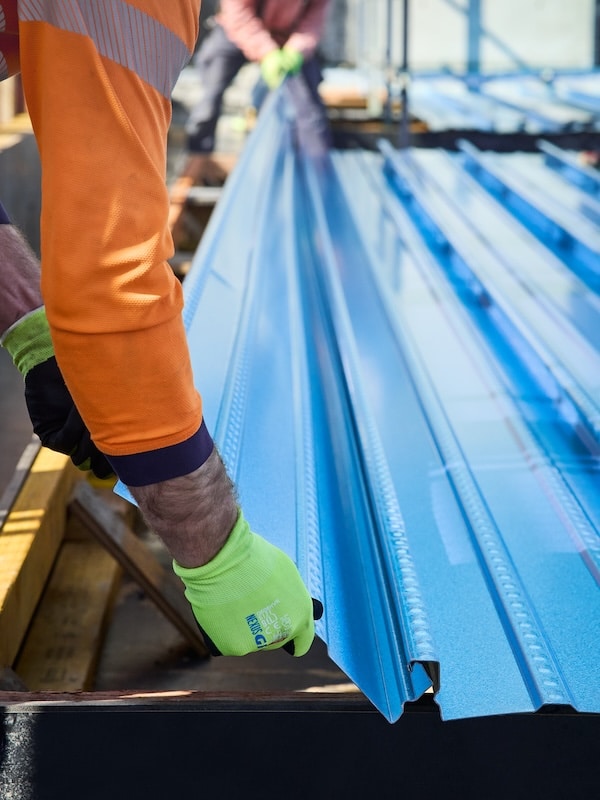
BlueDeck changes that sequence by staying in place. Sheets are installed one piece at a time and clipped together, with temporary propping installed beforehand where required under the span tables.
“The site team spends less time building and removing temporary formwork and more time progressing the slab,” says Arkcoll. “It also reduces the volume of material moving through the site, which is important on tighter projects where access and laydown space are under pressure.”
One contractor that has experienced BlueDeck’s productivity benefits firsthand is Pacific Formwork.
Rui Ferreira, construction manager at Pacific Formwork, says the system helped simplify slab installation.
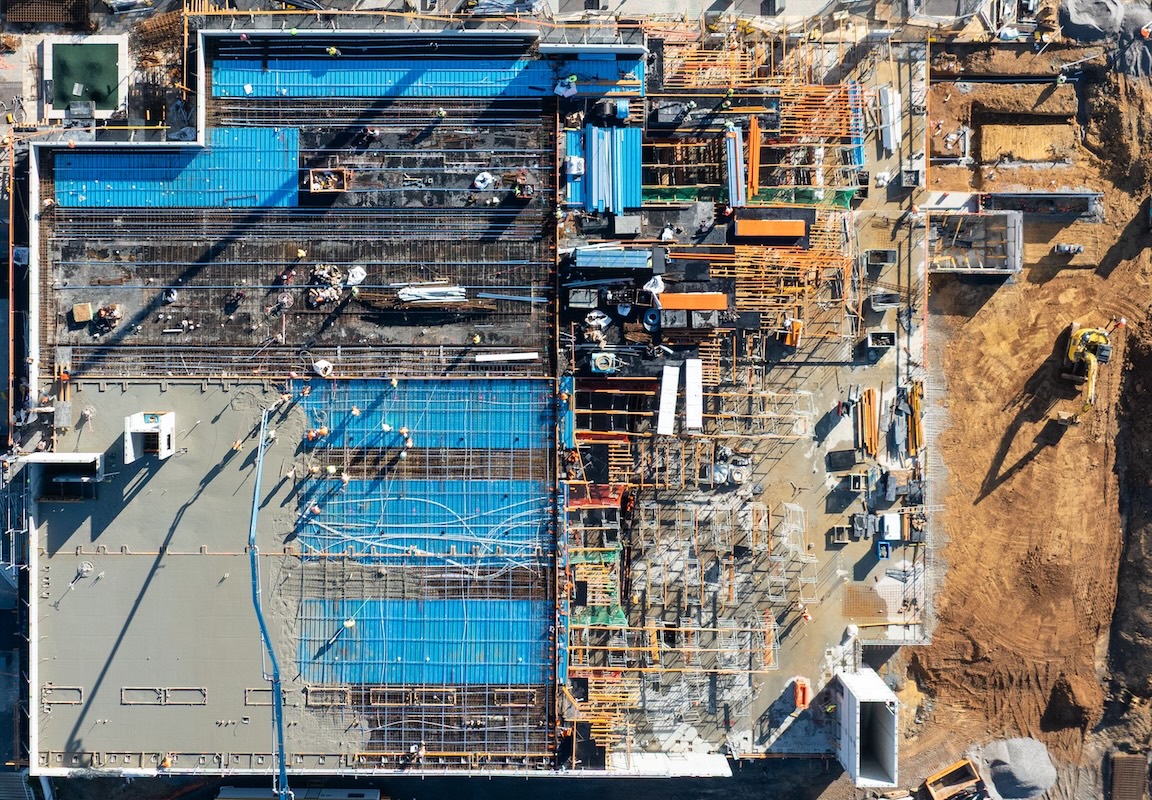
“Taylor Shopping Centre was originally designed using conventional formwork,” says Ferreira. “By introducing metal decking between band beams, we eliminated the need to construct full catch decks, resulting in a quicker, safer and more productive project. BlueDeck was our preferred product thanks to FTI’s service support and the system’s ability to accommodate thicker slab profiles.”
Arkcoll says FTI has also received feedback from formworkers that metal decking can save multiple skip bins because crews are not cutting, stripping and disposing of formply in the same way. Waste takes space, labour and time to manage, so every avoided bin supports the program.
With less stripping to complete after the pour, labour can be moved to the next work front sooner, while following trades have fewer temporary materials to work around below the slab.
The labour and workflow gains vary from project to project. Slab design, access and sequencing all influence the result. For Arkcoll, the better measure is the volume of work removed across the package: less temporary formwork to install, fewer product movements and less waste.
Across the full slab cycle, BlueDeck’s productivity gains build in sequence. Early review informs engineering and modelling, project-specific manufacture reduces sorting and handling, controlled delivery supports crane planning, and permanent formwork cuts the work left after the pour.
For FTI Group, that is MMC thinking applied on site – taking work out before it reaches the project team.
The post A coordinated approach to site productivity appeared first on Inside Construction.
View Source


Comments
Post a Comment