
Construcciones Yamaro: Cutting construction labour demands
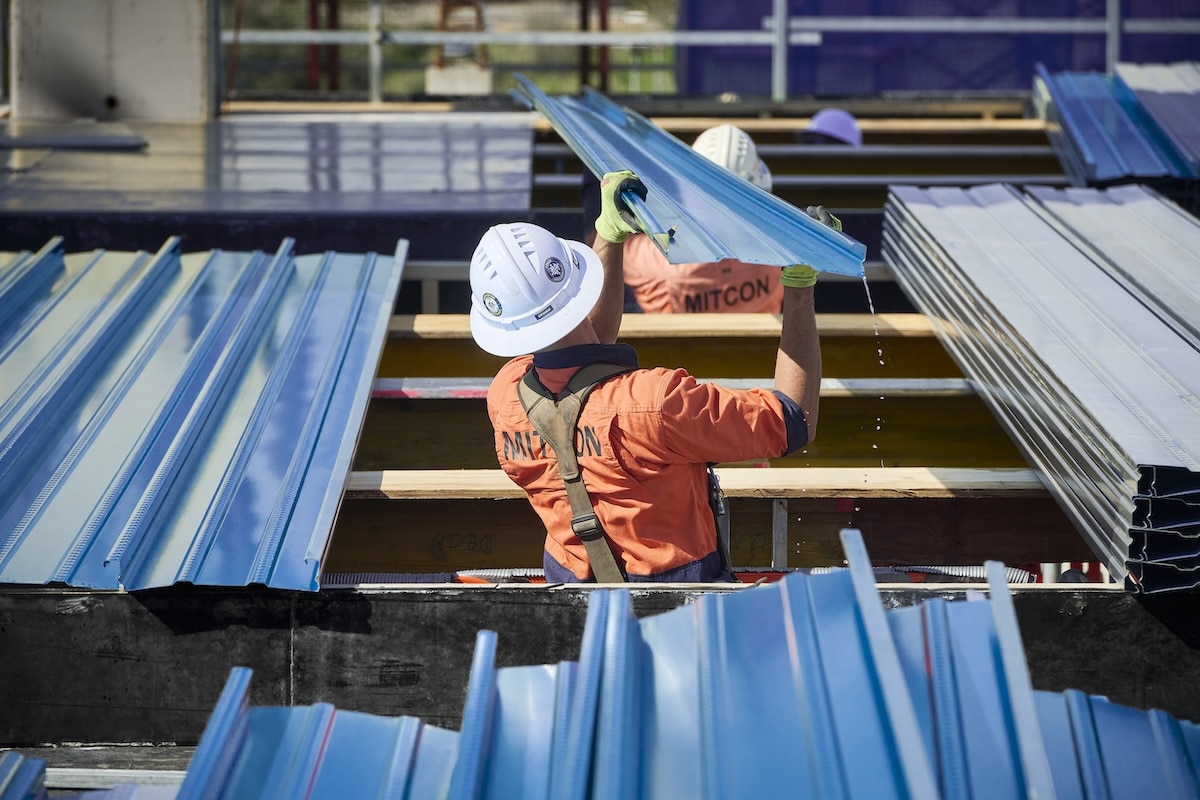
With Australia facing a growing construction labour shortage, FTI Group’s building solutions can reduce the amount of work required on site.
By Harvey Arkcoll, national sales manager at FTI Group.
Australia has more to build than ever, and fewer people to build it. According to Infrastructure Australia’s 2025 Infrastructure Market Capacity report, Australia’s five-year major public infrastructure pipeline has reached $242 billion. At the same time, the industry faces a shortage of about 141,000 construction workers, according to Master Builders Australia’s 2026 Future Workforce Blueprint.
We can’t train our way out of that fast enough. The more realistic answer is to need fewer people on site in the first place.
There will always be work that has to happen on site. But prefabrication, permanent formwork and modular systems are shrinking how much of it.
Every project is different, but most need the same mix: skilled trades, supervisors and managers, and general labourers. On a typical job, the substructure and structure eat up the most labour, including bulk excavation, formwork, reo and concrete placement. Finishes come a close second, including plastering, drywall, painting, doors and joinery, followed by rough-in trades, site management and logistics.
Related stories:
- BlueDeck cuts slab cycle times on large-span builds
- How builders influence the choice of metal decking
- Composite slabs explained
Formwork is one of the most labour-heavy parts of a build, and it’s a good place to start. Prefabricated permanent formwork can be used for walls, slabs, beams and stairs.
Two things are happening here. Because it’s prefabricated, the element – say, a flight of stairs or a wall panel – is made in a factory instead of on site. Because it’s permanent, it stays in place after the pour. Nobody has to form it up, and nobody has to strip it once the concrete has cured.
You still need to unload, handle and install it, but you skip the measuring, cutting, assembling, forming and stripping, and that’s where most of the hours were going.
Anything you can move into a factory is one less job fighting for labour, space and time on site.
Repeatable floor plates do more than speed things up. Design and planning get simpler. Crews pick up the system quicker. There are fewer calls to make on site, fewer variables, and usually fewer mistakes to fix.
Labour efficiency usually lands on the builder’s desk once construction has started. By then, most of the big decisions have been made. The structural system, the grid, the layouts and how buildable the design is are already locked in. If we thought about labour at the concept and design stages, we’d end up with more efficient structures, fewer site processes and smaller construction crews.
Prefabrication changes how a project runs. Decisions have to be made earlier. Dimensions and tolerances matter a lot more, because the element has to fit when it arrives. Coordination starts sooner so supplier lead times and logistics line up with the program. Late design changes can hold everything up. You’re relying heavily on your suppliers having the capacity to deliver.
So, the complexity doesn’t disappear. It shifts off site and into design, planning and manufacturing, where it’s much easier to control.
Builders: would fewer labour-heavy processes take some pressure off the program and your reliance on hard-to-find trades?
Developers: could lower labour intensity help protect your costs and timelines?
Formworkers: skilled formworkers are getting harder to find – are we putting that experience where it counts most?
Door hangers: would a more complete frame system make your job quicker and easier?
Engineers: if two structural solutions perform the same but one needs far less work on site, should labour be part of the calculation?
Architects: can we standardise to make building easier without making the design ordinary?
The post Cutting construction labour demands appeared first on Inside Construction.
View Source


Comments
Post a Comment