
Construcciones Yamaro: Bringing inclusive infrastructure to life
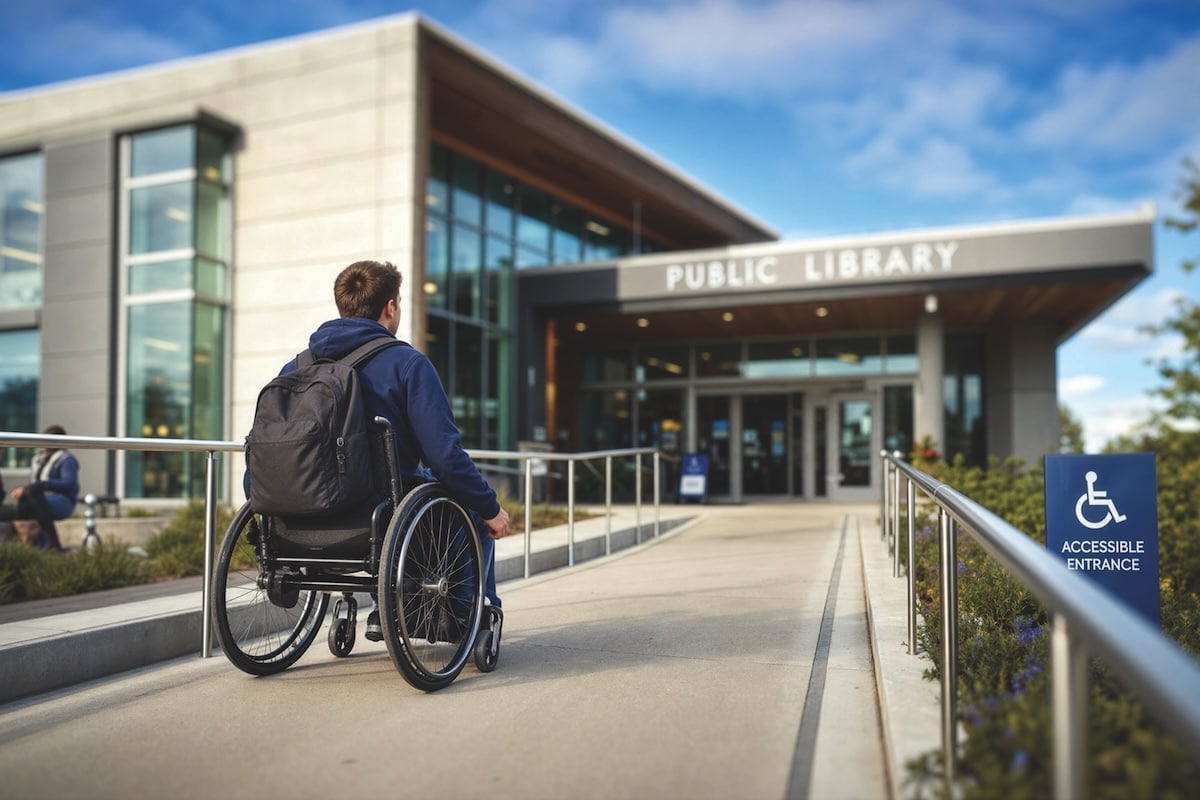
Digital twins are opening new possibilities for more inclusive infrastructure across Australia and beyond.
Infrastructure is rarely used in one uniform way: a transport system may be planned around the daily commuter, yet the same network also must serve parents making several stops with children, people with limited mobility and users whose needs differ from those assumed during design.

For Amelia Burnett, digital financial strategies director at Infrastructure Policy Advancement, a team within infrastructure engineering software firm Bentley Systems, that is one of the central questions behind inclusive infrastructure: who is being considered when decisions are made, and whether the people expected to use an asset have enough opportunity to influence how it works.
“Inclusive infrastructure is about designing infrastructure so the widest possible group of people can use it,” says Burnett. “It means not designing with a single user in mind.”
Accessibility standards provide an essential baseline, but compliance doesn’t necessarily reveal how a place will feel or function when somebody moves through it. A design can satisfy the relevant requirements on paper and still create difficulties that become apparent only when it is considered from the perspective of particular users.
A similar gap can arise with consultation. Infrastructure owners and developers have long had processes for involving stakeholders, but feedback has limited influence once substantial design decisions have already been made. By then, changing an alignment, access point, ramp or other element can carry much greater cost and disruption than addressing it earlier.
“What we have now are powerful new tools that allow us to bring those stakeholders into the process much earlier and give them a sense of how infrastructure will work before construction begins,” says Burnett.
“Digital twins allow people to navigate spaces from different perspectives and test the experience of using them. That gives us an opportunity to identify issues during design, when they are far less costly to address than once an asset is under construction or operational.
“It also means moving beyond something that is accessible on paper and meets the relevant design standards to something that is genuinely usable in practice.”
Related stories:
- A modern expression of heritage at Crows Nest Station
- Fairfield Hospital redevelopment enters next stage
- Multiplex completes Melbourne PBSA project

Homai Rail Station in South Auckland shows how that can work at the level of an individual piece of infrastructure. As part of a level crossing replacement, Beca used a digital model during design and later used it to engage with people who would use the station.
Viewed from the eye level of a wheelchair user, the model allowed the team to follow the route up the ramp and into the surrounding street network. It revealed that a turn onto the footpath was too sharp and presented a potential safety issue. The bridge design complied with the relevant standards, but widening the connection improved the route for wheelchair users and, by extension, people with prams, cyclists and others moving through the space.
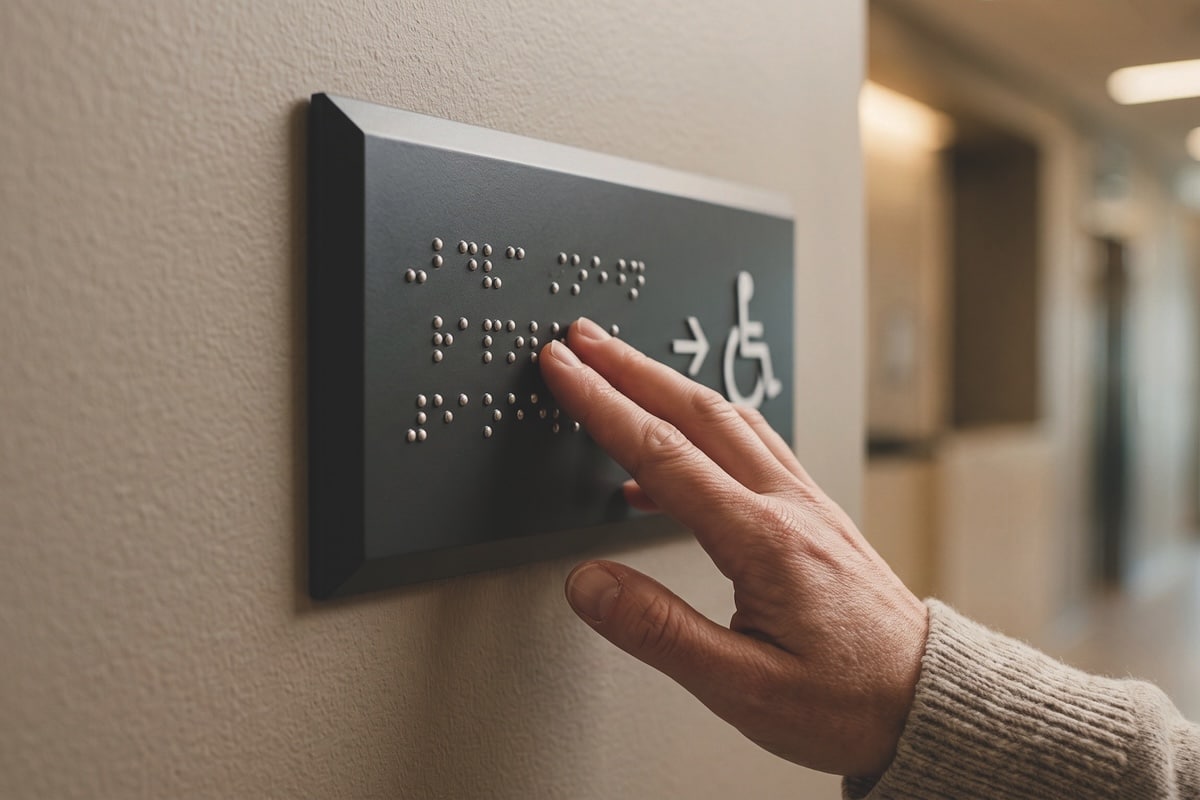
The same model was adapted for another user group. Because the crossing was near a school for blind and low-vision students, it was 3D printed with Braille so students could provide tactile feedback on the design.
In Brisbane, Cross River Rail paired a digital twin with a public visualisation centre so members of the community could experience what it would feel like to stand on a future station platform and understand how the project would fit within the city.
“The centre is also being retained as a public engagement tool to help people understand what changes to Brisbane’s rail and transport systems will mean for them,” says Burnett.
She says infrastructure owners need to consider the purpose of an asset, who they expect will use it and how their input can influence the finished scheme. That involvement can begin before an individual asset is even defined.
Burnett recently published Built to Endure with Microsoft, Duke University, the American Society of Civil Engineers and AECOM. The report examines how infrastructure decision-makers can use data, digital tools and digital twins to support resilience planning in cities.
Wellington City Council, for instance, is considering how to become more resilient to climate change, with risks including sea level rise and storm surges along the coast, as well as landslides because of the surrounding terrain.
As the council developed its city adaptation plan, it created a digital model that brought together information on climate risk, infrastructure and Indigenous knowledge. Because the model looked and felt familiar, Burnett says people could navigate it more intuitively than a technical report. It was made available in community spaces such as libraries and sports centres, widening access to the information.
“That allowed citizens to contribute to and help co-create the adaptation plan from which future infrastructure projects will flow,” she says. “It also gave communities access to information they could use in their own projects or individual decision-making.”
That level of participation can also influence social licence. Burnett describes trust as its foundation: people need to understand what a project is, why it is happening and the problem it is intended to solve.
“If people can genuinely participate in that decision-making process and feel they are helping to co-create the outcome, rather than having a finished design presented to them, it can help build the long-term trust infrastructure projects need,” she says.
“Technology can help change that. We are also seeing advances in AI that allow project teams to test a range of scenarios and outcomes more quickly, supporting more informed decision-making.”
For stakeholders who see consultation as a compliance burden, Burnett points to the cost of getting it wrong.
“Ultimately, most infrastructure exists to deliver a service, and, from a commercial perspective, you want people to use that service. Engaging end users early enough for their needs to influence the project is just smart design,” she says.
“Engagement is an important part of risk management. Retrofits, delays and legal challenges are expensive. If engagement is framed as a way of managing those risks, on top of meeting compliance requirements, and as part of developing the project rather than a separate burden, it tends to resonate much better with commercially minded audiences.”
Burnett expects digital twins to move from being seen as a nice-to-have visualisation tool to becoming standard practice in infrastructure planning and community consultation, much as environmental impact assessments are today.
She also sees scope for digital twins beyond consultation during planning. Because a true digital twin is connected to continuously updated data, it can continue to provide information once an asset is operating.
Dublin City University is exploring what that could mean for neurodivergent users. As part of its objective to become the world’s first autism-friendly university, researchers have examined how live information on noise, people flows and congestion could be made available through its campus digital twin. Students could use that information to identify quieter places to work or make informed decisions before entering busy spaces.
“That democratises access to the data and improves transparency, making the university experience more accessible,” says Burnett.
Inclusive infrastructure doesn’t just strengthen communities; it can also reduce delivery risk and help ensure infrastructure investment continues to serve users for decades to come.
The post Bringing inclusive infrastructure to life appeared first on Inside Construction.
View Source


Comments
Post a Comment