
Construcciones Yamaro: FF26 insights: Making standout construction practices the standard
The construction industry already knows what works. The challenge is doing it consistently.
By Peter Colacino, CEO of the Australian Constructors Association.
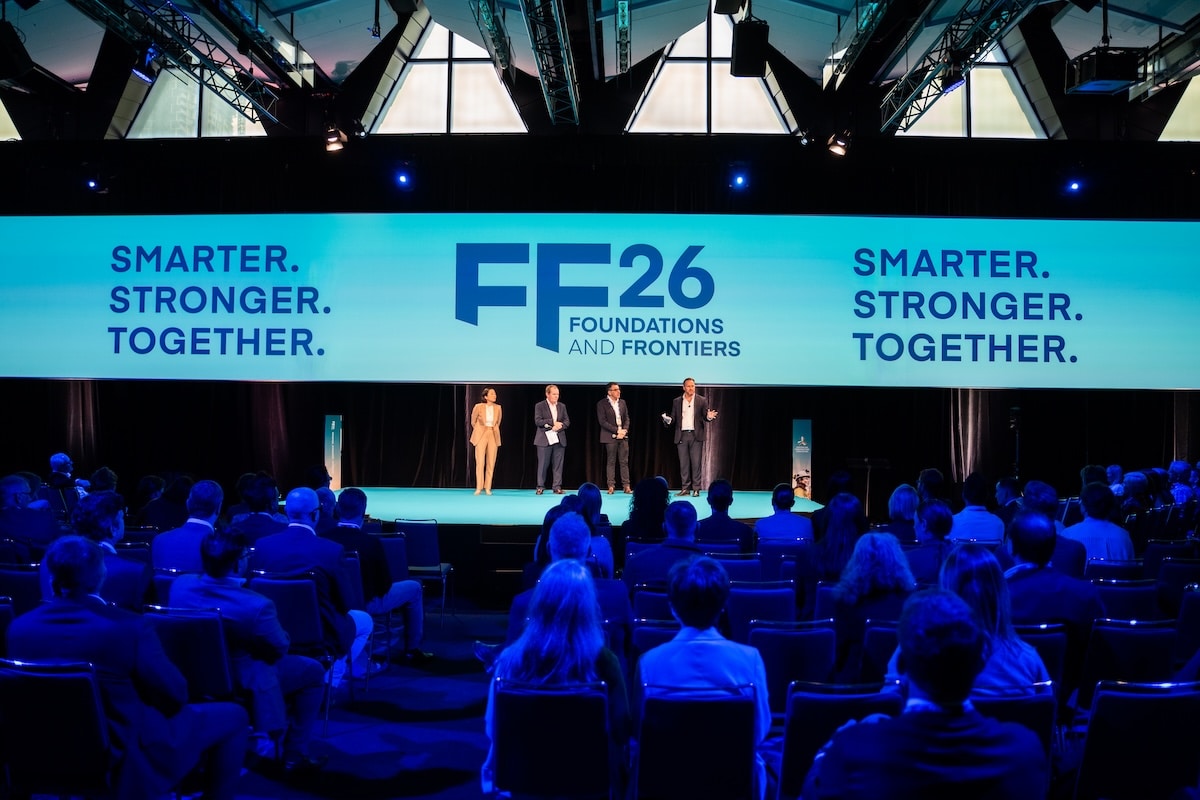
At every industry conference, there is a temptation to focus on what is broken. Productivity is stalled. Projects are becoming more complex. Skills shortages persist. Trust is defined by the last project’s performance. We know the list. At Foundations and Frontiers 2026 (FF26), the conversation took a different turn.
FF26 was designed to explore what is working in construction and what lessons can be applied across projects. Rather than cataloguing problems, the forum set out to identify the conditions that create successful outcomes and understand how they can be scaled across the industry.
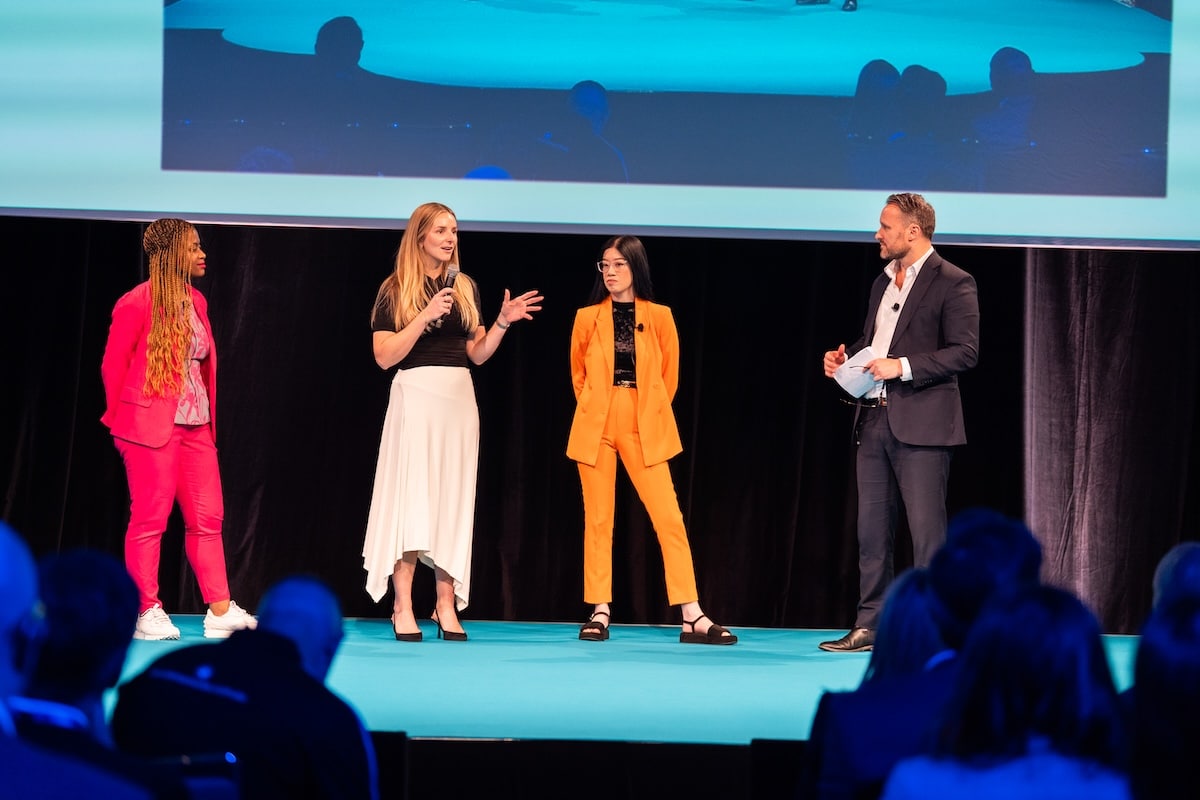
To capture the collective wisdom of the room, attendees were invited throughout the day to contribute their observations, ideas and reflections via the Crystal Wall, an interactive platform that gathered audience insights in real time. What emerged was that despite the diversity of projects, speakers and sectors represented, the audience kept returning to the same themes. People kept talking about trust, collaboration, early engagement, clarity of purpose and creating the conditions for innovation. In other words, the audience’s collective reflections closely mirrored what the industry’s most successful projects were already demonstrating.
Across sessions, speakers repeatedly challenged the notion that project success is primarily driven by contracts, procurement models or governance structures. Instead, they pointed to relationships.
Related stories:
- ACA Board leaders named in Top 100 Women list
- Construction workforce challenge goes deeper
- ACA’s Peter Colacino sets out construction industry priorities
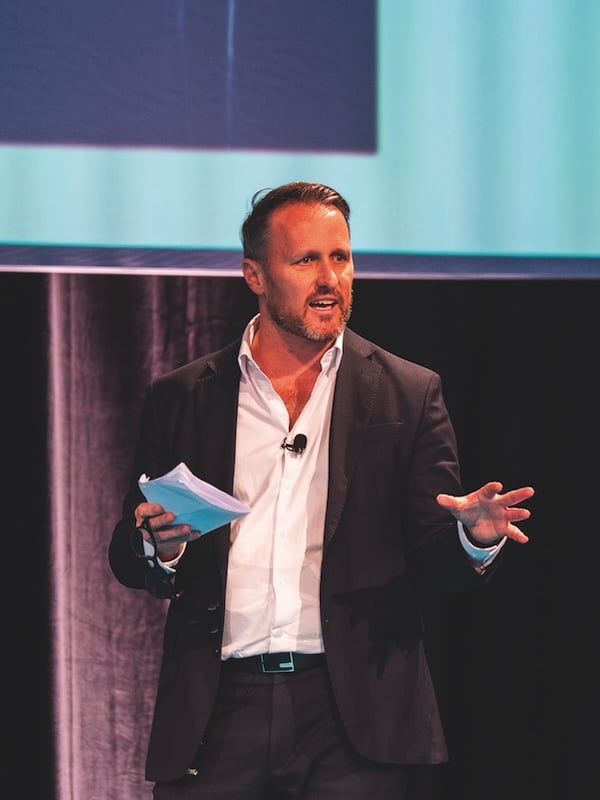
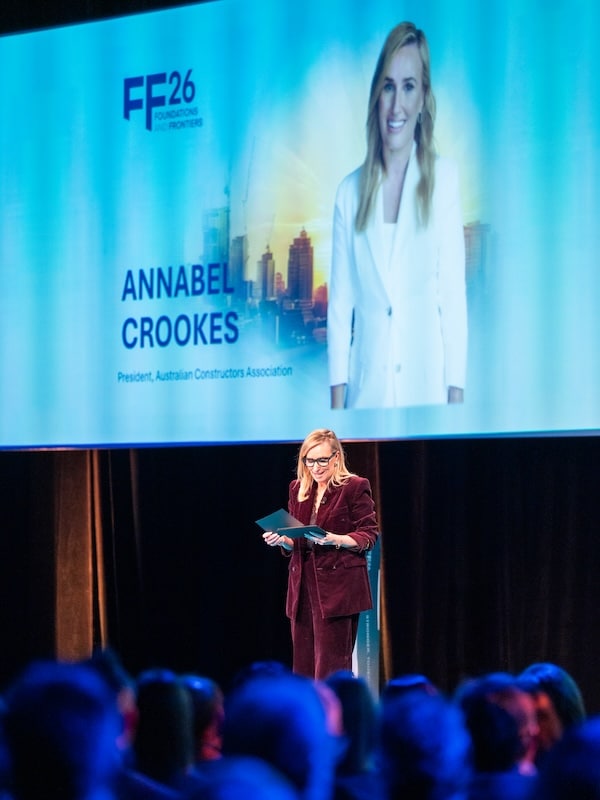
The New Bridgewater Bridge team described culture as the multiplier that turns technical capability into project performance, arguing that trust unlocks productivity at every level of delivery. Meanwhile, Western Sydney International Airport panellists spoke about the importance of behaviours over contractual commitments. The Crystal Wall reflected this sentiment repeatedly.
Attendees recognised that many of the barriers holding projects back are not technical barriers at all. They are behavioural barriers. Defensive contracts create defensive behaviours. Risk aversion suppresses innovation. Misaligned incentives discourage collaboration. These themes echoed throughout the forum.
Another theme from the audience contributions was the growing recognition that the industry’s biggest opportunities sit at the front end of projects. Again, this aligned almost perfectly with what speakers shared from their own experiences. The message from project leaders was remarkably consistent: value is created long before the first excavator arrives on site.
The Atlassian Central team credited two years of early contractor involvement with building the trust and technical certainty required to deliver an ambitious project. The New Bridgewater Bridge team described early contractor involvement as creating the space to solve complex problems before construction began. In the ‘Redesigning design’ session, speakers argued that genuine productivity improvements come through better design inputs, earlier stakeholder engagement and fewer unnecessary review cycles rather than working harder during delivery.
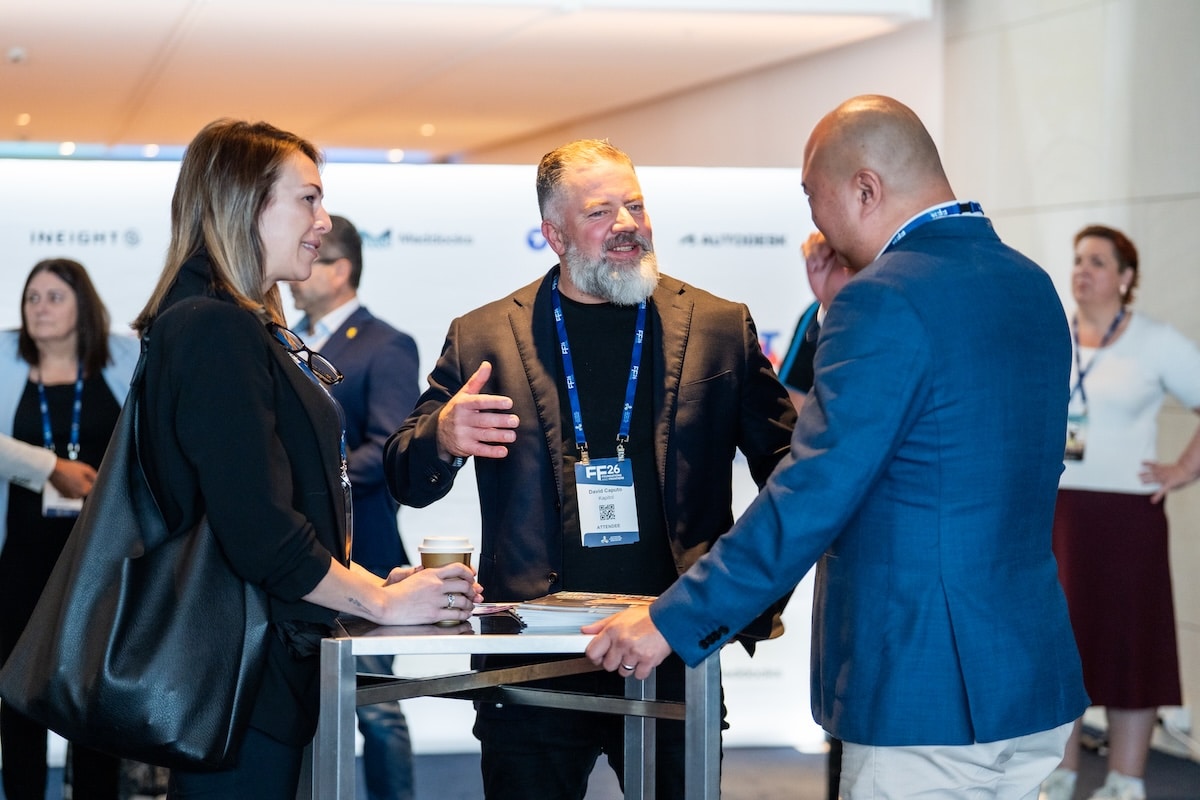
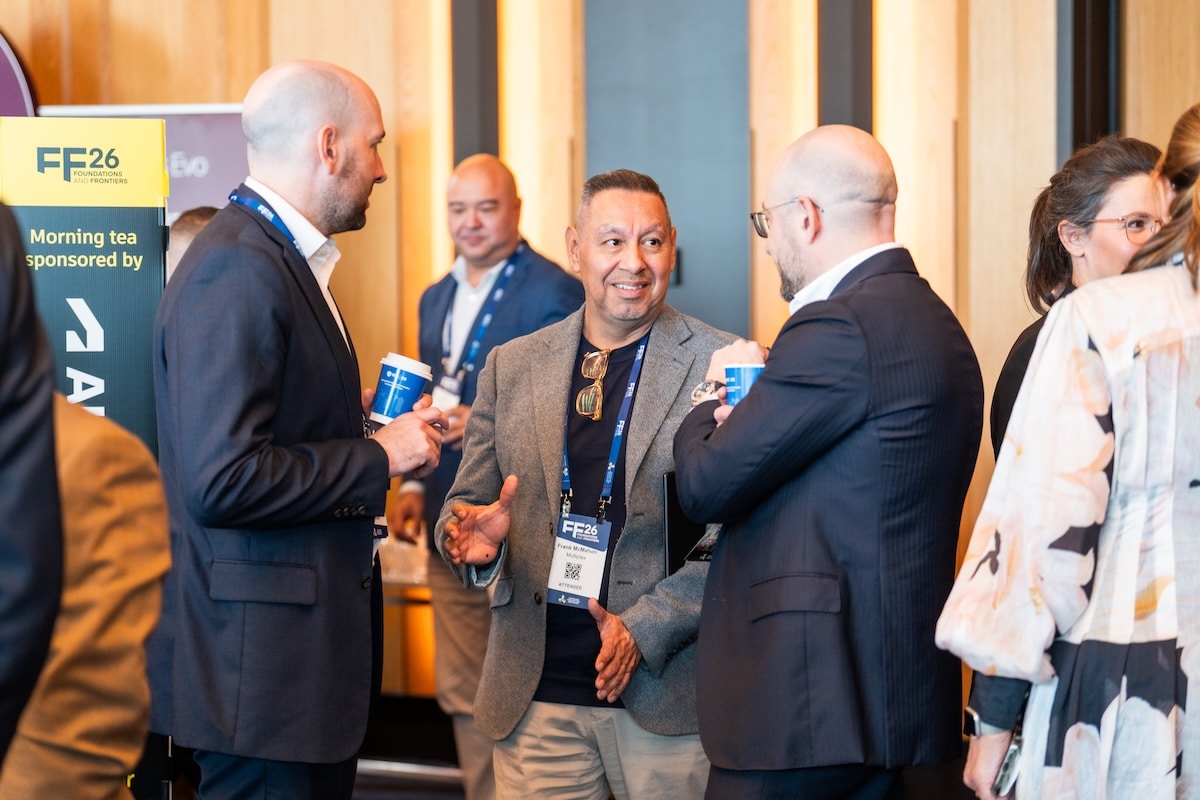
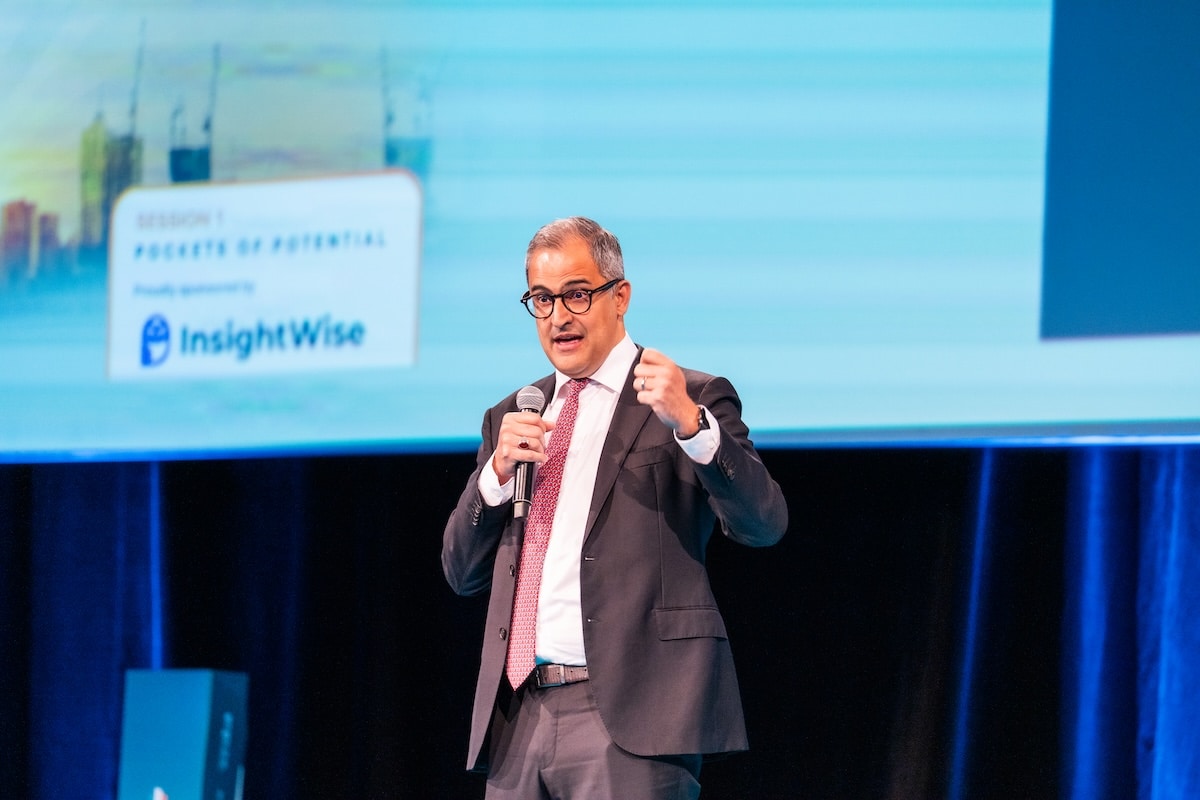
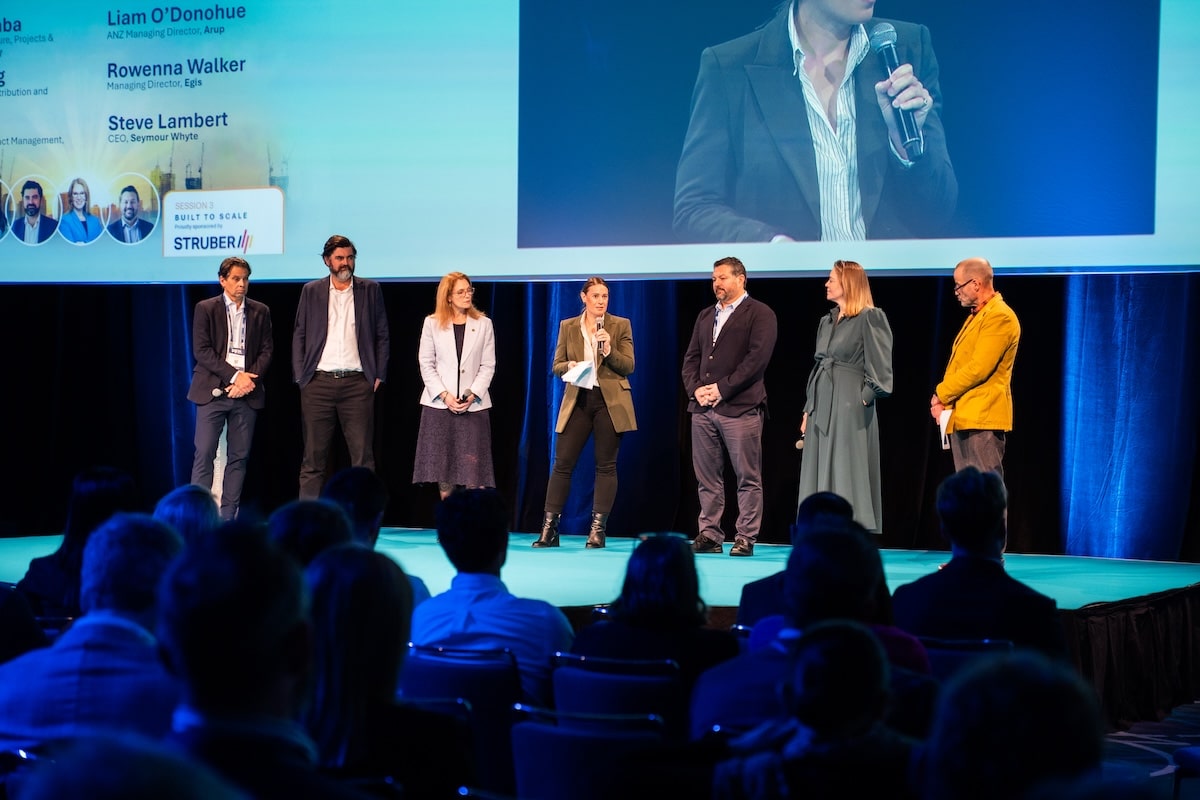
The audience reached a similar conclusion: productivity is not something that magically appears on site; it is largely determined by the decisions made before construction starts. The strongest projects showcased at FF26 demonstrated that early engagement, better design coordination and clearer project objectives create the conditions for success long before construction begins.
Mike Lewis, operations director for the Office of the Managing Director at Laing O’Rourke, challenged the industry to be bolder in adopting modern methods of construction and shared evidence of projects delivering program savings through off-site manufacturing. Meanwhile, data centre leaders demonstrated how modularisation and new delivery approaches can improve workforce productivity without reducing employment opportunities.
The audience response suggested the industry is becoming less interested in the novelty of new approaches and more interested in translating proven approaches into scalable solutions. That may be the most important lesson of all. Too often, discussions about reform focus on finding entirely new answers rather than scaling what is proven. Yet the conversations throughout FF26 suggested the industry already possesses many of the solutions it needs.
We know that trust improves outcomes. We know that early engagement reduces risk. We know that clear objectives drive better decisions. We know that collaboration beats protectionism. We know that innovation thrives when people are given permission to test new ideas.
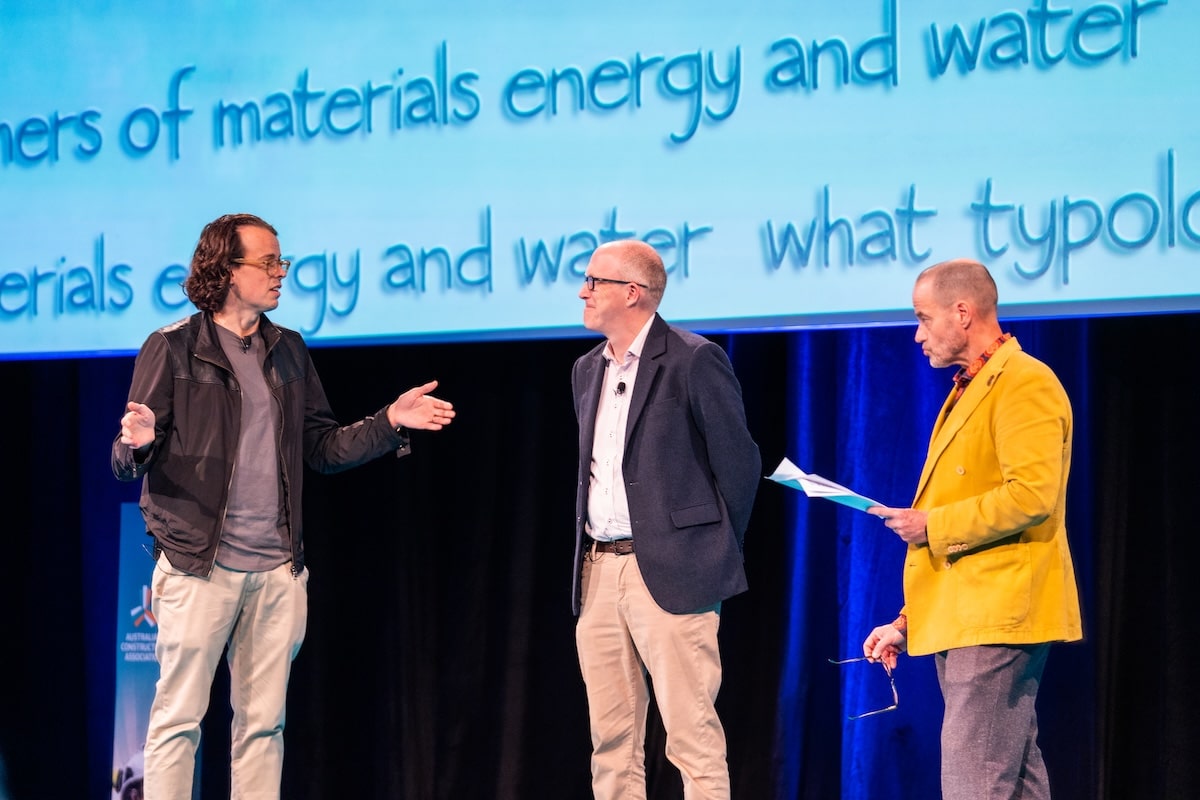
What we struggle with is not knowing these things. What we struggle with is doing them consistently.
The enduring message from FF26 was that the path to a more productive, sustainable and attractive construction industry may not lie in discovering something new. It may lie in having the courage and discipline to scale what already works.
The post FF26 insights: Making standout construction practices the standard appeared first on Inside Construction.
View Source


Comments
Post a Comment