
Construcciones Yamaro: The engineering behind safety at Webuild
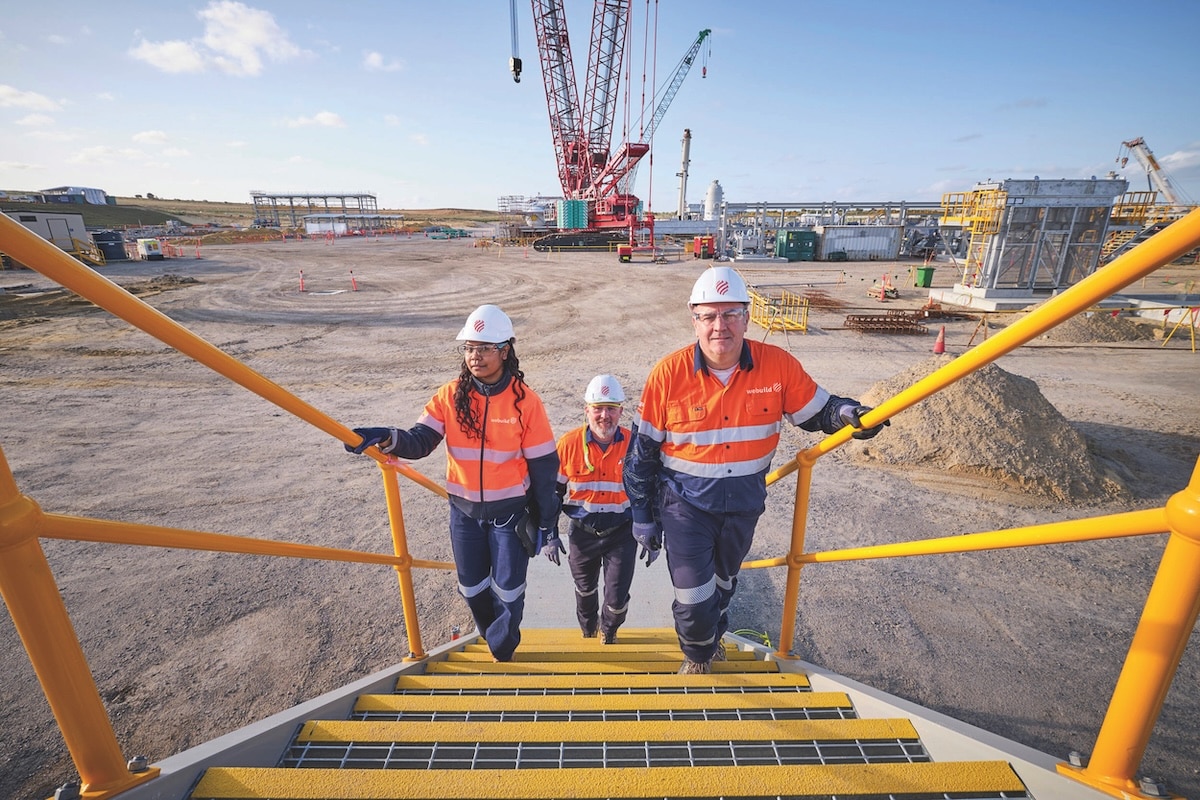
At Webuild, safety is engineered as a value, not treated as a shifting priority.
By Shannon Spark, VP QHSE at Webuild in Australia.
Safety is commonly described as a priority in construction. I’d argue that’s exactly the challenge: priorities move; values don’t. Safety culture needs to become generative – part of ‘how we do business around here’.
After years on major infrastructure sites, I’ve learned that safety is never the product of good intentions or a well-worded procedure on an intranet.
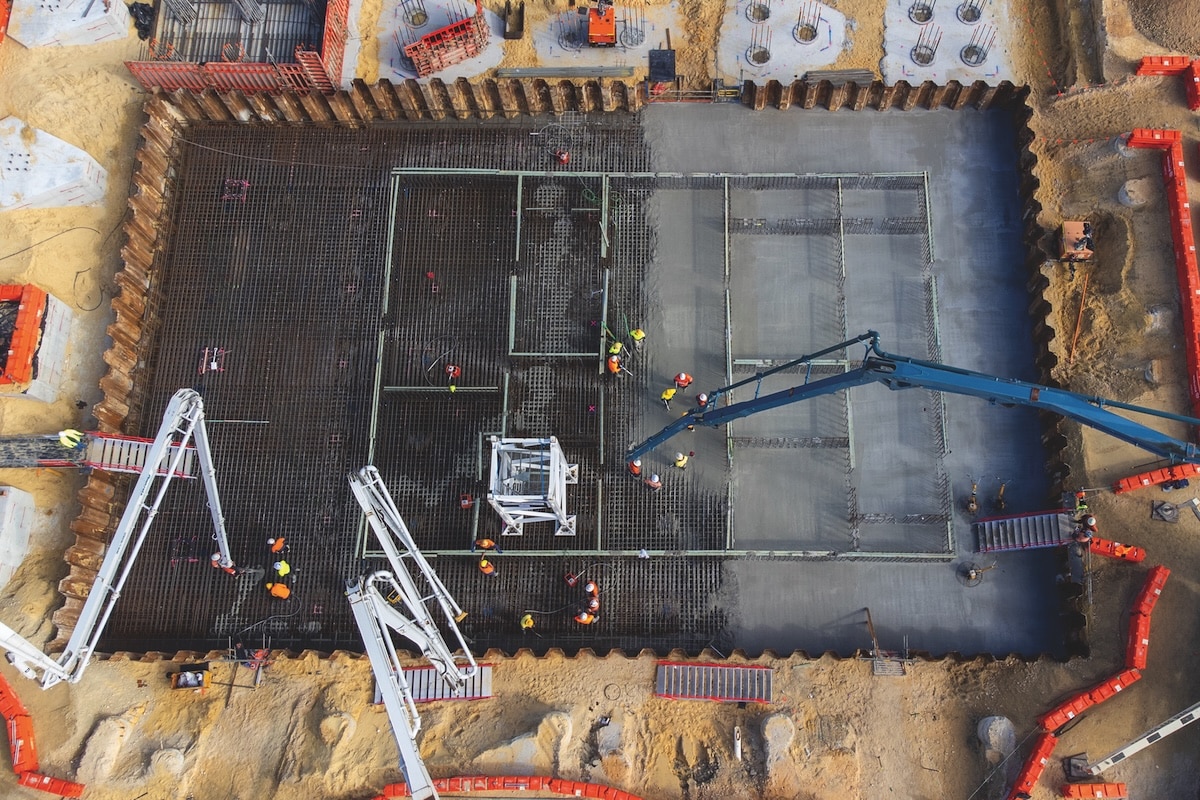
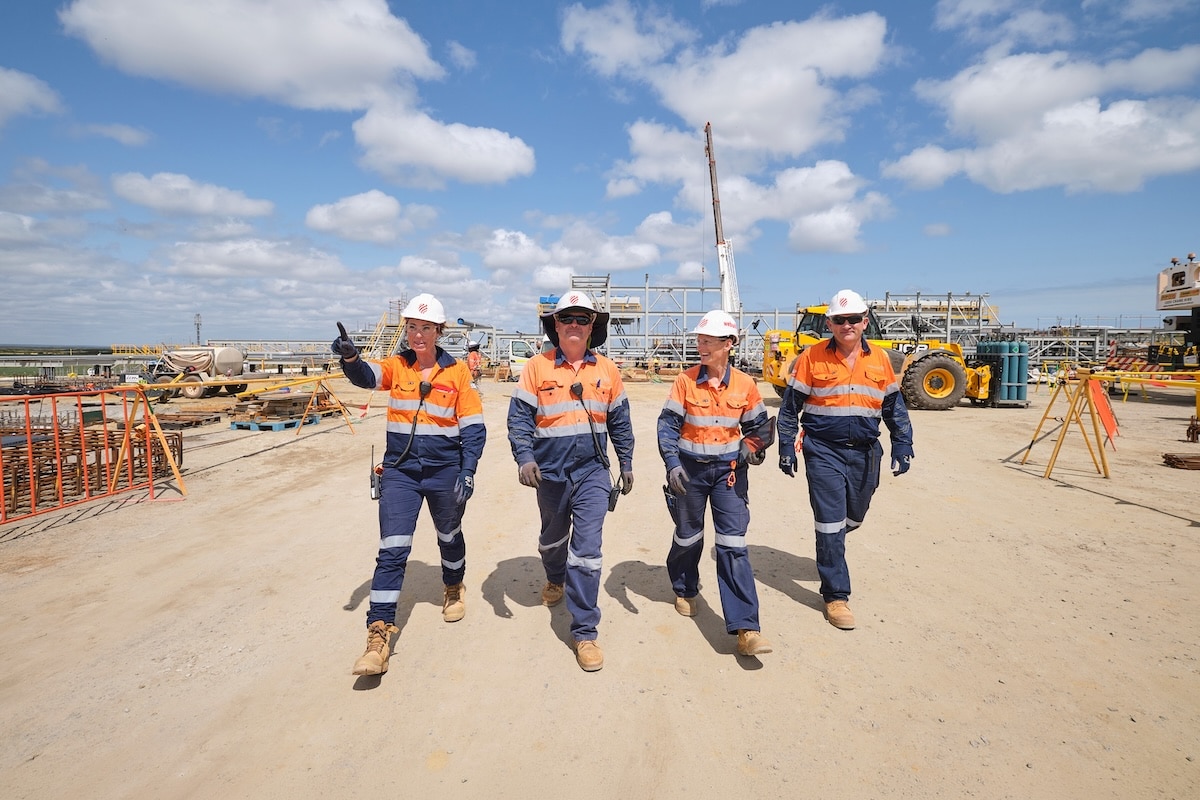
Safety is planned and engineered deliberately, layer by layer, in the same way we design a tunnel, a conveyor or a segment factory. It comes alive in safe design systems that remove critical risks or put the highest levels of control in place, in the training that sharpens a supervisor’s focus at 6am and in the thousand decisions that never make the news because the job went according to plan and our people got home safe.
From compliance to solving
The most important shift I’ve seen is philosophical. Compliance asks, “Did we follow the rule?” A mature safety culture asks, “Did we solve the risk?”
On one of our projects, that meant standing up an HSR Working Group that brings worker representatives, unions, project leadership and safety professionals into the same room to identify issues and build practical solutions together. SafeWork NSW has recognised the approach as leading practice.
Solving is harder than complying. It’s also the only thing that lasts.
The system you don’t see
The public sees the outcome of safety: a worker who goes home. What it rarely sees is the architecture underneath it. At Webuild, that architecture is deliberate: certified management systems aligned to ISO 45001, structured, robust risk assessments and diligent work planning, incident and near-miss reporting, competency frameworks and clear escalation pathways that connect a frontline observation to senior leadership and, where required, the regulator. None of this is glamorous, but it’s what turns safety from a stated priority into a working system.
On our projects in Australia, that discipline is measurable. The combined workforce has completed more than 35 million work hours in the last 12 months with positive results. Those aren’t lucky numbers; they are what a system produces when it’s built properly and maintained relentlessly.
Related stories:
- The meaning of construction milestones
- North East Link tunnelling complete
- Webuild looks beyond the build in Australia
Training that changes behaviour
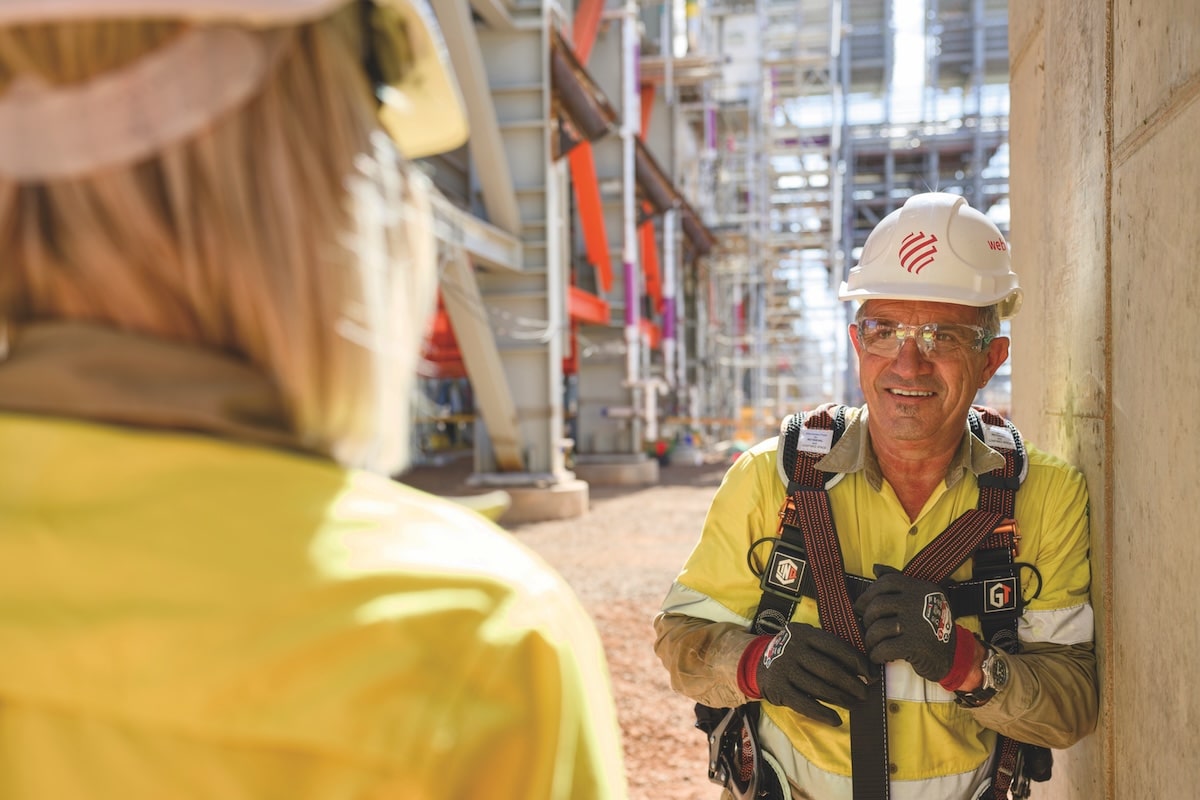
The most challenging safety problem isn’t hazard; it’s human. A diverse workforce, short-service employees and shifting crews are delivering complex, time-pressured projects. You cannot procedure your way out of that. You have to build a strong safety culture and capability.
That’s why our Safety Builders program, launched globally in 2017 and now embedded across every new project, isn’t a course you complete; it’s a leadership behaviour you adopt. It has engaged more than 26,400 people, run more than 1,500 workshops and delivered more than four million hours of safety training since 2020. Its Frontline Leader program was first introduced in Australia on the North East Link, purpose-built for the supervisors who shape culture on the ground. On that project, more than 500 people have completed the program, and 100 per cent said they’d recommend it. Its practical engagement tool, SAFER, distils good judgement into a combined conversation and call to action: see more, say more, solve more.
Global framework, local build
Here’s the part the industry often gets wrong. A global company cannot simply export a safety model and expect it to land. Australian sites are not Italian sites; a hydro project is not a metro road; a segment factory is not a tunnel face. What works is a stable global framework that is then re-engineered for the realities of each country and each project.
That adaptability is not a soft skill; it’s the differentiator. It’s why our program was recognised with a Gold Stevie Award at the 2025 International Business Awards for Health, Safety and Environment Program of the Year across Asia, Australia and New Zealand. The judges specifically cited its cultural adaptability and its ability to translate a global philosophy into practical, local leadership behaviours. A framework gives you consistency. Local adaptation gives you results. You need both.
The deep work
Great engineering is mostly invisible, and so is great safety. Every uneventful shift is underpinned by well-designed systems, diligent planning for safe execution of work, effective change management and problem-solving. That’s the deep work of a construction company: the processes, systems and training, and the willingness to tailor them to the country and project in front of you.
We often talk about engineering excellence and delivering complex infrastructure, but it means nothing if our people don’t go home safe. Getting that right isn’t luck or a slogan. It’s the most demanding engineering we do.
The post The engineering behind safety at Webuild appeared first on Inside Construction.
View Source


Comments
Post a Comment