
Construcciones Yamaro: The infrastructure choices shaping Australia’s future prosperity
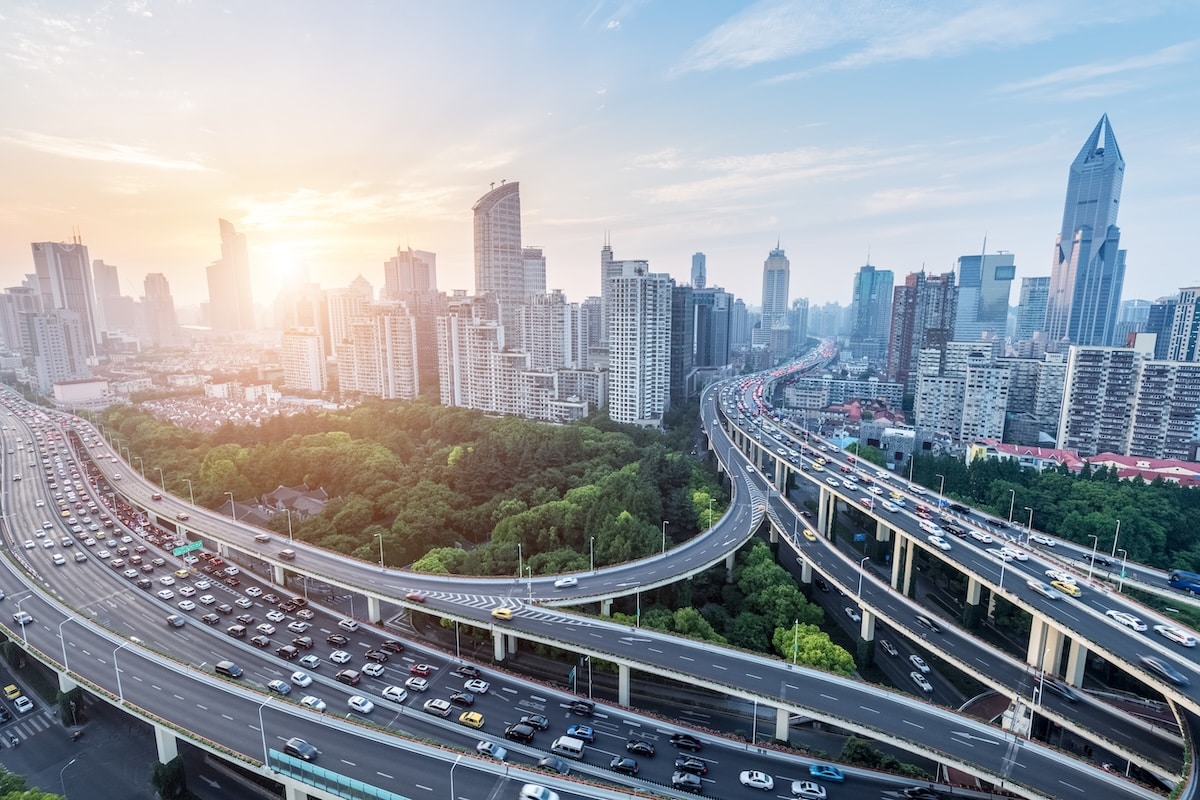
Australia’s future prosperity depends on infrastructure that connects industries, communities and opportunities, rather than projects planned in isolation.
By Liam O’Donohue, Australia and New Zealand managing principal at Arup.
From AI and the energy transition to an ageing population and geopolitical uncertainty, Australia is facing several major transitions at once that will affect the next era of our nation’s prosperity. Whether these forces constrain our growth or become foundations for a more productive and resilient economy will depend, in large part, on the infrastructure choices we make today.

The traditional approach to infrastructure has been to focus mainly on one asset at a time: a road, a rail line, a port, an energy project. Today, we accept that the challenges we face don’t fit neatly into individual projects or sectors. They’re interconnected, so our response must be too. Our focus should be on creating adaptable infrastructure systems that connect freight, energy, digital networks, housing, industry and skills.
Recent talks at the Australian British Infrastructure Catalyst event reinforced three lessons that should help shape Australia’s approach.
Freight is fundamental to national prosperity
Often treated primarily as a transport issue, freight underpins almost every part of the economy. The reliability of our freight networks affects whether food reaches supermarkets, fuel and materials reach business, and Australian products reach domestic and international markets. It influences the cost of doing business and the ability of communities to withstand disruption.
As freight demand grows, we need to think beyond individual road or rail projects. A productive freight system requires coordinated investment across roads, rail, ports, intermodal terminals, industrial land and energy infrastructure.
The transition to lower-emissions transport makes this integration even more important. Electrifying heavy vehicle fleets, for example, will not simply require new vehicles. It will also require suitable energy connections, charging infrastructure, well-located depots and land that can support changing logistics operations.
Greater rail interoperability, stronger intermodal capacity and more resilient freight corridors can help Australia move goods more efficiently, but they should be planned as parts of one national system rather than as isolated investments.
Regeneration requires infrastructure, investment and place to come together
Liverpool in the UK provides a useful example of how transport, urban renewal and civic leadership can support a long-term vision for growth. The lesson for Australia is that successful regeneration depends on aligning infrastructure with a clear understanding of place and purpose.
A new station, road or development may improve a location, but enduring regeneration requires more. It needs strong local leadership, coordinated public and private investment, and a plan for how infrastructure will reconnect communities, unlock land and create confidence.
This is particularly relevant as Australian cities seek to accommodate growth while improving access to employment, services and opportunity. Infrastructure can help reshape a place, but its value will be greatest when it is planned around the outcomes needed by a community and its economy.
New cities need an economic purpose
Bradfield represents one of Australia’s most ambitious city-building opportunities. Located within Western Sydney’s emerging aviation, transport and industry ecosystem, it has the potential to become an important centre for advanced industries, education and employment.
Bradfield’s long-term success will depend on how well transport, jobs, education, clean energy, digital capability and industry are connected from the beginning. Planned rail connections between Bradfield, Leppington and Macarthur will be central to widening access to employment and supporting economic activity across the region.
The broader question is what economic role Bradfield will play and how infrastructure can support that role. If connectivity, skills, industry and investment reinforce one another, the city can become more than a collection of new assets. It can become a platform for sustained growth and innovation.
Looking beyond individual projects
These three examples point to a common conclusion: infrastructure creates the greatest value when it enables people, goods, businesses and ideas to participate in the economy.
Australia’s future prosperity will be determined by whether our investments work together to improve productivity, strengthen resilience, attract industry and give our cities and regions the flexibility to respond to change. That requires us to look beyond the next project and focus on the system we are creating.
The post The infrastructure choices shaping Australia’s future prosperity appeared first on Inside Construction.
View Source


Comments
Post a Comment