
Construcciones Yamaro: Coates’ guide to choosing the most suitable trench shoring system
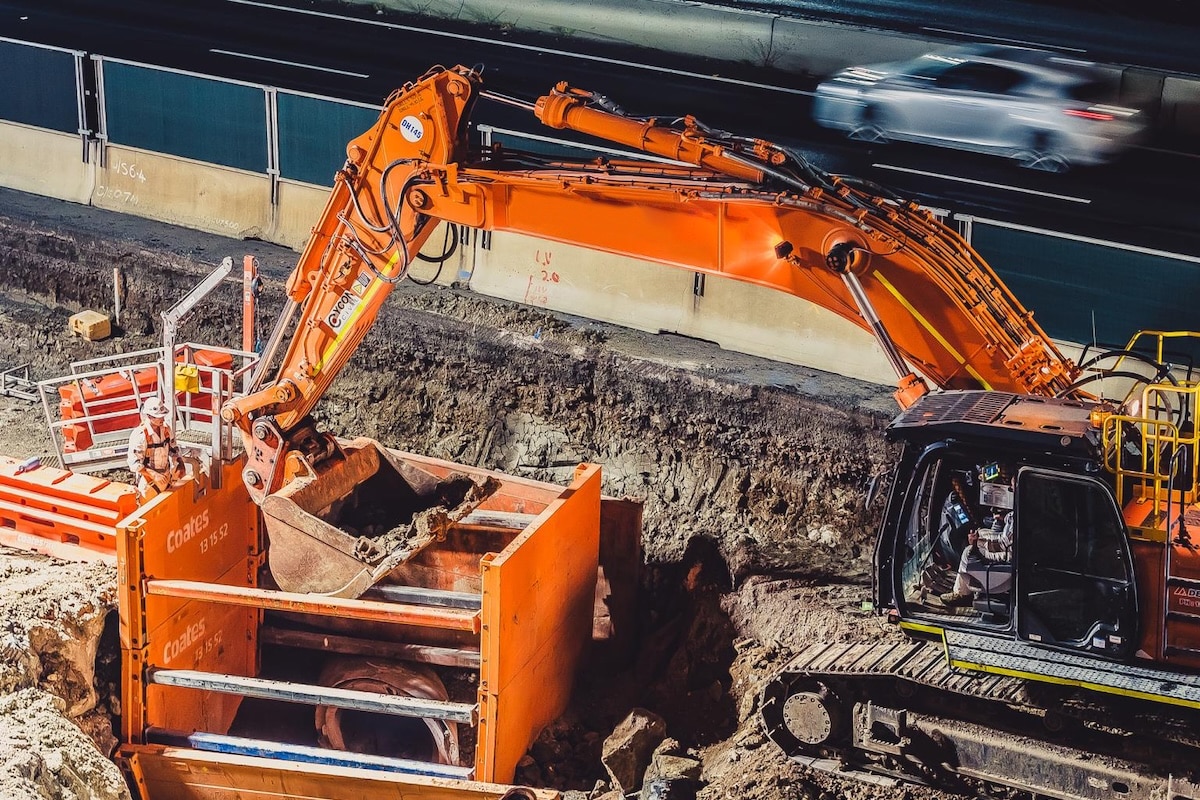
Trenches can collapse quickly and without warning. Once excavation begins, conditions can change rapidly, especially in unstable ground or near existing structures. The trench shoring system should therefore be selected early based on the site conditions, excavation geometry and installation method.
This guide by Coates outlines the key factors that influence trench shoring system selection.
1. Excavation risk should come before equipment category
A common mistake is to start with product availability or preference instead of the excavation conditions. System selection should begin with:
- Trench depth and width;
- soil type and stability;
- groundwater conditions;
- nearby structures and services;
- surcharge loads from plant or traffic; and
- vibration from surrounding activity.
Two trenches with the same dimensions can require different solutions depending on these factors. Excavations deeper than 1.5 metres are generally considered high-risk construction work, but excavation safety is not defined by depth alone. Even shallow trenches may require protective systems and should be assessed by a suitably qualified engineer.
2. The difference between shoring and shielding
Shoring and shielding are often used interchangeably, but they serve different purposes.
Shoring systems are designed to support trench walls and prevent movement. Shielding systems, such as trench boxes, are intended to protect workers if a collapse occurs. Depending on site conditions, both may be used together to address ground stability and worker safety. System selection should be guided by a suitably qualified engineer to ensure safety and compliance.
This distinction affects system selection. Some projects require ground support to prevent movement, while others may require only worker protection within a defined area. Reviewing the available shoring systems can help determine the appropriate approach, including whether steel shoring is better suited to the site conditions.
3. Excavation geometry affects system selection
In addition to depth, the shape and purpose of the excavation can determine the most suitable trench shoring system. This includes:
- Trench width and length;
- pit versus linear trench configuration;
- required working space inside the excavation; and
- pipe or structure installation requirements.
Understrut clearance and pipe clearance are critical on many projects. If the system restricts installation access, it can slow progress or require rework.
The most suitable system supports safe and efficient work in line with professional assessment and regulatory requirements.
4. Lighter systems may suit smaller trenches or restricted-access sites
In smaller excavations or on sites with restricted access, lighter shoring systems can be easier to transport, position and install. Hydraulic shoring and vertical shores are often used when:
- Trenches are relatively shallow;
- access for heavy plant is limited;
- fast installation is required; and
- ground conditions allow for simpler support systems.
Lighter systems still require assessment by a suitably qualified engineer. Reduced weight does not remove the need to consider ground conditions, loading and installation methods, but these systems may suit sites where constraints limit conventional solutions.
5. Steel shoring boxes may better suit medium and large excavations
For larger excavations, steel shoring systems are commonly used because of their strength and adaptability. These systems are suited to:
- Deeper trenches;
- wider excavations;
- higher load conditions; and
- projects requiring robust and repeatable setups.
Configurations such as standard boxes, high-clearance boxes and manhole boxes provide flexibility, depending on the excavation requirements. In Coates’ trench shoring range, systems such as the Series 600 box can be configured for a range of trench and pit applications while maintaining stability under challenging site conditions. Selection should always be reviewed against site-specific conditions by a suitably qualified engineer.
6. Slide Rail systems may better suit deep, complex or high-clearance jobs
Slide Rail systems are used in demanding excavation conditions, including when:
- Excavations are deeper or more complex;
- large, clear working areas are required;
- ground conditions are unstable; and
- progressive excavation support is needed.
Slide Rail systems allow excavation and support to occur together, often through a dig-and-push method. This helps maintain stability as depth increases.
They can also be configured for both trench and pit applications, making them suitable for complex layouts. Slide Rail shoring provides this flexibility while maintaining structural performance on challenging sites.
Compared with standard trench boxes, Slide Rail systems provide greater flexibility and capacity, particularly on large or high-risk excavations. All Slide Rail applications should be assessed by a suitably qualified engineer.
7. Installation method is almost as important as the system
Some systems appear viable in theory but create practical issues once site access, lifting or trench progression is considered. The following installation requirements should therefore be considered early:
- Available plant and lifting capacity;
- site access and working space;
- excavation sequence;
- ground stability during installation; and
- whether dig-and-push or placement methods are suitable.
For example, unstable ground may not allow a trench to remain open long enough for certain installation methods. Some systems are installed progressively, while others rely on pre-excavated trenches. Failing to account for installation requirements early can cause delays, rework and compromised excavation safety.
Installation planning should be reviewed by a suitably qualified engineer to ensure the system performs safely under site conditions.
8. Engineering input and certification should be considered from the outset
Trench shoring forms part of temporary works and typically requires engineering involvement. This can include:
- System selection and design;
- detailed engineering calculations;
- installation planning; and
- certification and compliance documentation.
Early engineering input can identify risks, support safe construction and assist with project sequencing. Coates’ in-house engineering team – including civil, structural, chemical and geotechnical engineers, solutions specialists, project managers and installation experts – allows system selection to align with safety and project requirements. This is particularly important on complex projects where excavation shoring forms part of a broader temporary works strategy.
9. Compliance is a selection input, not a final tick-box
Compliance should influence trench shoring system selection from the beginning. Key considerations include:
- Safe work method statements (SWMS);
- inspection requirements;
- competent person assessment; and
- site-specific risk conditions.
Trench depth alone does not determine risk. Even shallow excavations may require protective systems and should be assessed by a suitably qualified engineer, especially when soil conditions, water or nearby loads increase the likelihood of collapse. A compliant system should be selected and implemented in line with an engineer’s assessment and relevant Australian Standards, based on the site conditions.
10. Supplier capability supports system selection
The supplier plays a key role in how well the solution performs on site. Access to multiple shoring systems allows the most suitable approach to be selected instead of applying one solution across different projects. A broad range of shoring equipment supports more flexible system selection.
Advisory support becomes more important as excavation conditions become more complex. When engineering, equipment and installation support are aligned, planning can be more accurate and site execution more predictable.
Integrated excavation shoring solutions can help address complex requirements from the start.
Trench shoring questions answered by Coates
What factors determine the best trench shoring system for a project? The most suitable system depends on trench depth, soil conditions, groundwater, excavation geometry, nearby structures and installation method. These factors affect safety and practicality. A suitable system should be selected based on an assessment by a suitably qualified engineer to support the excavation while allowing the work to be completed safely. What is the difference between shoring and a trench box? Shoring supports trench walls to prevent movement, while a trench box protects workers within a defined space if a collapse occurs. Shoring and trench boxes can be used together on a single project, but the choice should be guided by a qualified engineer, taking into account whether the priority is stabilising the ground or protecting workers inside the excavation. When should Slide Rail shoring be considered? Slide Rail shoring is typically used for deeper or more complex excavations where progressive support is required. It is also suited to projects that need large, clear working areas or flexible configurations for pits and structures. All Slide Rail applications should be assessed by a suitably qualified engineer. Do trench shoring systems need engineering design or certification? Yes. Many projects, particularly those involving deep or complex excavations or excavations near structures, typically require engineering design and certification. Early input from a qualified engineer helps ensure the system is appropriate, safe and compliant, reducing the risk of delays or redesign. Can a trench under 1.5 metres still need shoring or another protective system? Yes. Even shallow trenches can collapse depending on soil conditions, groundwater and nearby loads. Protection should be based on an assessment of the site conditions by a suitably qualified engineer, not depth alone. Appropriate shoring, benching or other protective systems should be implemented in line with engineering guidance and relevant Australian Standards to help manage risk. |
Coates can assist with trench shoring requirements.
The post Coates’ guide to choosing the most suitable trench shoring system appeared first on Inside Construction.
View Source


Comments
Post a Comment