
Construcciones Yamaro: Leighs Construction captures the full picture with Cupix

Leighs Construction is using Cupix to turn site progress into a visual record that shows exactly what was built and when.
Leighs Construction, an established New Zealand civil and commercial contractor, introduced Cupix in 2023. Within 12 months, it had been rolled out across the company’s projects.
Initially adopted to verify built works against the design model, the AI-powered spatial intelligence platform quickly demonstrated its value, as project director Marcus Hogan saw firsthand.
“Before Cupix, you would walk around with a camera, take photos of what you thought was important, then file them, add dates and catalogue them into a system,” he says.
“When you needed to find something, you had to trawl through all those photos. Most of the time you couldn’t find what you were looking for, and sometimes you realised you hadn’t taken a photo of it at all. It was labour-intensive and prone to human error. Cupix removes the need for all of that.”
Related stories:
- Naylor Love lifts site visibility with Cupix
- Spatial capture gives John Holland a new lens on site
- Spatial intelligence solves progress tracking on a mega pipeline
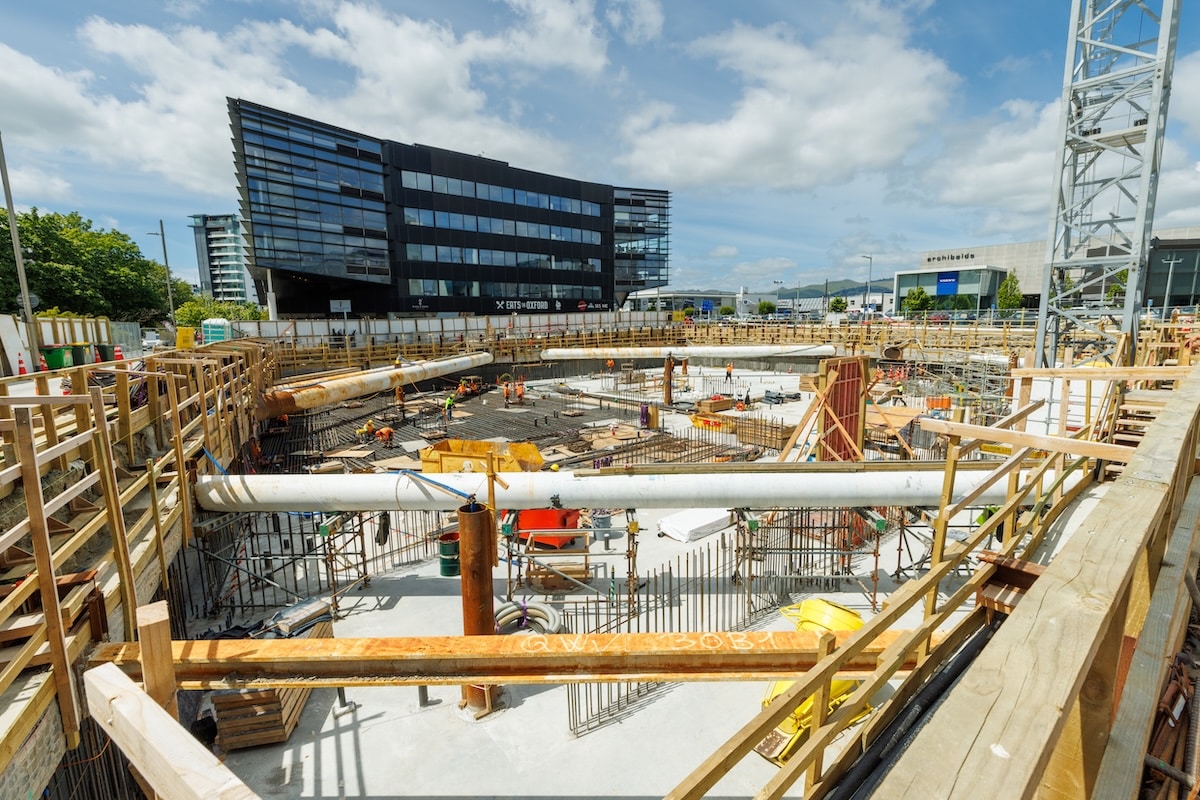
At its core, the platform captures and visualises construction sites in a virtual environment, using AI and 360-degree cameras to create a navigable record of progress as projects are built.
“If you were told to go back to the old way of working, you just wouldn’t. You couldn’t go back,” says Hogan. “We didn’t go into it thinking Cupix was going to be a major part of how we work, but it has grown organically as its benefits have become more apparent.”
Hogan says the platform’s role has expanded steadily since those early stages. What began as a response to a specific need is being applied to the company’s most demanding jobs.
As the main contractor for Stage Two of Project Maunga, the Taranaki Base Hospital Redevelopment, Leighs is delivering the six-storey, 20,000-square-metre New East Wing Building (NEWB), which will house acute clinical services, including the Emergency Department, Intensive Care Unit, maternity, primary birthing, neonatal, radiology and laboratory services as well as a rooftop helipad.
On another project, Leighs is constructing a six-storey, 17,000-square-metre medical school building as part of the University of Otago Christchurch Campus Redevelopment. The facility will include laboratories, clinical research spaces and health education areas.
Both demand tight coordination, complex services integration and a high level of control over how work is delivered.
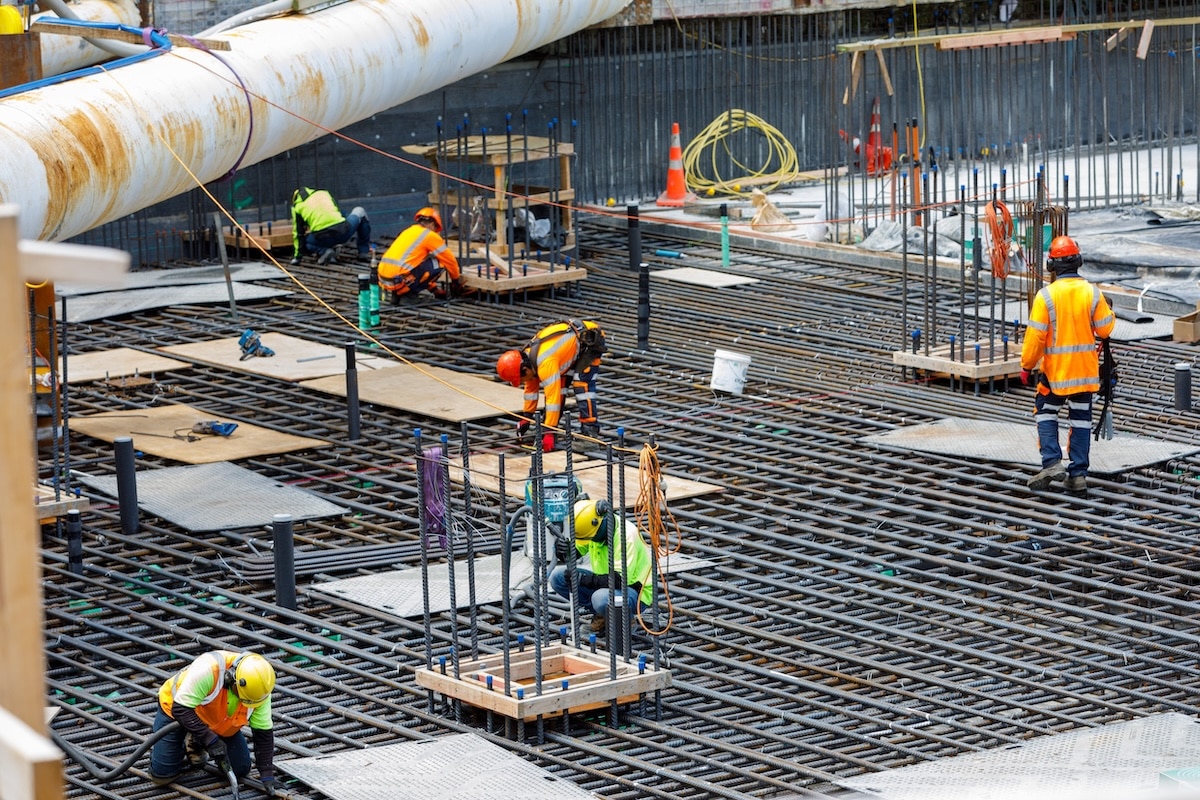
On site, Cupix is used alongside the program to help track progress in real time and understand where each area stands on any given day. If something is missed during a site walk, the team can return to the timestamped captures and work back through specific dates or locations. In critical or fast-moving areas, captures are taken daily, and sometimes more than once a day, creating a continuous record of activity.
That capability was tested during a weather event that halted work. While the team knew conditions had been severe enough to justify an extension of time, the impact was difficult to evidence after the fact. Reviewing Cupix captures, Hogan identified pooled water across the waterproofing membrane, confirming the area couldn’t be trafficked without causing damage to the membrane. This allowed the team to substantiate a three-day extension of time.
“Without those captures, we likely wouldn’t have had sufficient evidence to substantiate the claim. That would have meant we lost time on the project,” says Hogan. “Cupix gave us visual evidence of the site conditions on specific days, from multiple angles, which supported the claim.”
In another case, the project team couldn’t work as efficiently because of a variation and lodged a disruption claim. With Cupix, Leighs evidenced the rate of construction in the affected areas and compared it to unaffected areas, showing that labour productivity had slowed as a result of the variation.
Beyond individual claims, Hogan estimates the platform has saved hundreds of hours across disciplines, largely by removing the need to manually capture, store and search through photographic records.
More broadly, it has changed how claims are substantiated. Rather than relying on fragmented records or competing interpretations, the team can return to a single source of visual truth.
“It removes a lot of subjectivity,” says Hogan. “If one person says something is one way and someone else says it’s another, you can go back and evidence it.”
That level of detail becomes critical when work is questioned after completion. On one occasion, a client queried whether back boxes were installed in fire-rated walls, and whether they met the fire and acoustic requirements.
“We said they were, but they asked us to prove it. At that point, we had two options: either cut a hole in the wall or use Cupix,” says Hogan.

“We went back through Cupix and created an animation showing the installation from start to finish. It showed the back box going in, the acoustic putty and the fire rating behind it. It was all there, so there was no argument. Otherwise, it would come down to taking our word for it, or opening up the wall, which takes time and adds cost.”
Similar checks have been applied to structural elements, including reinforcement in basement works, where the team was able to review the placement of rebar against the drawings before introducing new penetrations in the retaining walls. By confirming what had been installed, rather than relying on assumptions, the team avoided cutting key reinforcement bars and showed the penetration could be core drilled in the proposed location. Hogan says this has saved thousands of dollars by removing the need to open up completed work or undertake invasive verification.
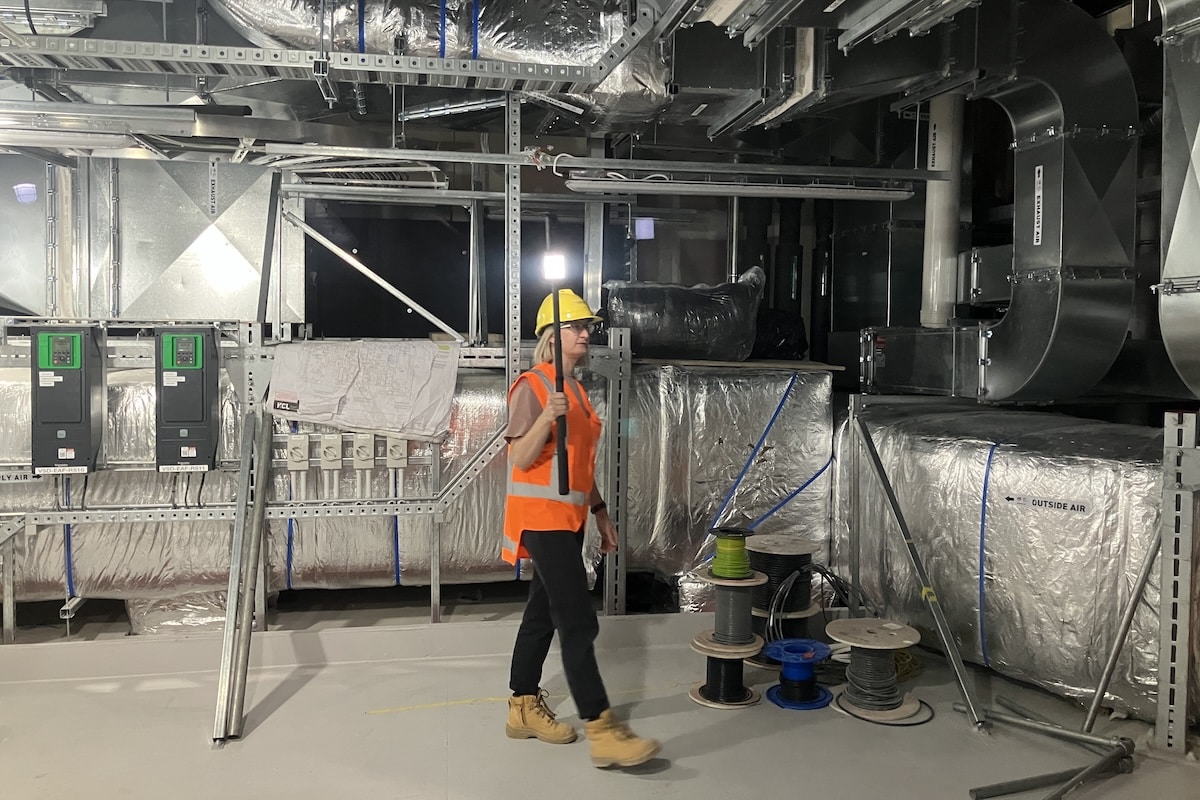
Cupix also carries through to handover and ongoing asset management. Detailed captures of services are taken before ceilings are closed and provided to the client as part of project delivery, offering a visual record of what has been installed. While as-built drawings once formed the primary reference, clients now receive a navigable record that can be revisited during maintenance or future upgrades, particularly in areas that are difficult to access once complete.
“Cupix provides a strong record, which becomes valuable when you need to support a claim, resolve a dispute, prove something on site or check progress,” says Hogan. “That is where it really comes into its own.”
The post Leighs Construction captures the full picture with Cupix appeared first on Inside Construction.
View Source


Comments
Post a Comment