
Construcciones Yamaro: Hiring for skills in construction matters more than ever

NexGen’s Lauren Fahey is urging the construction sector to rethink how it attracts, recruits and retains women as redundancy patterns expose deeper flaws.
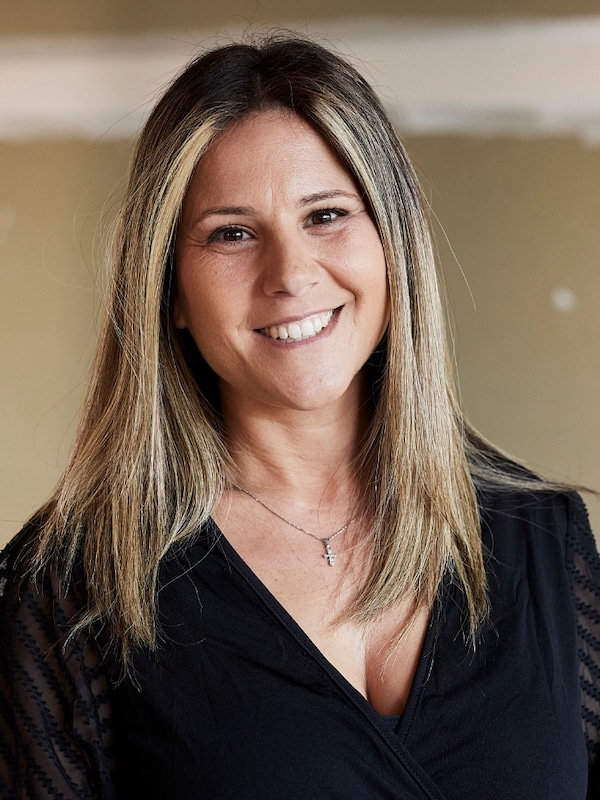
By Lauren Fahey, executive director at NexGen.
Over the past few months, I’ve been contacted by women in construction who have been made redundant. Highly capable women. Women who were doing good work. Women who want to stay in construction, and yet when work slowed or projects wrapped up, they were the first to go.
What’s confronting is not just the volume of redundancies, but the pattern. Too often, these women were hired to meet a gender target, not because their skills were genuinely embedded into workforce planning, but because a number needed to be hit.
And when pressure comes, targets are easy to undo.
I’m a strong advocate for improving gender representation in construction. Representation matters. It always has, and it always will. I’ve dedicated a big part of my work to supporting women into this industry. But what I’m seeing now forces us to pause and be honest about how we’re going about it.
Too often, women are brought into organisations to satisfy diversity metrics, rather than as a critical part of the workforce. When work slows, projects finish or budgets tighten, those symbolic roles are the first to be questioned. And when that happens, women become expendable, not because they lack skill, but because their value was never embedded to begin with.
This is not equality, and it’s not progress.
If we are serious about changing this industry, we must shift the conversation. Diversity targets should guide where we look, not determine who we value. The core question should always be: What skills does this business need, and who is best to deliver them? Gender representation improves naturally when recruitment is intentional, development pathways are real, and capability is recognised early and often.
I’ve seen organisations do this well. They recruit women because they are excellent engineers, project managers, forepersons, designers and leaders, not because they tick a box. Those women stay. They grow. And when difficult decisions are made, they are retained because losing them would hurt the business.
That distinction matters more than we realise.
Related stories:
- How the IATC is addressing construction skills shortages
- Women in Cranes and Lifting day inspires the next generation
- How school visits are shifting perceptions of construction
There’s also a deeper impact we don’t talk about enough: trust. Every time a woman is encouraged into construction under the banner of progress and then quietly let go, trust erodes, not just for her, but for every student, graduate and career-changer who hears that story second-hand. We cannot keep telling women there’s room for them here while failing to offer security or meaningful longevity.
The irony is that this is happening while we’re all talking about skills shortages in construction. We say we need people. We say we need capability. And yet we continue to lose skilled professionals because they were never recognised as essential in the first place.
Real change requires more than targets. It requires courage, the courage to interrogate hiring practices, invest in capability development and stop treating women as a short-term solution to a long-term problem.
If we want women to stay in construction, they must be hired because they are needed, not because they are counted.
This moment, with so many talented women facing redundancy and nowhere to go, should be a wake-up call. We don’t fix this by abandoning diversity goals. We fix it by doing the harder, more meaningful work and by building workplaces where skill is recognised, people are valued and no one is disposable.
That is how industries change. If women are always the first to go, then somewhere along the way, we’ve missed the point.
The post Hiring for skills in construction matters more than ever appeared first on Inside Construction.
View Source


Comments
Post a Comment