
Construcciones Yamaro: FTI Group locks in supply certainty
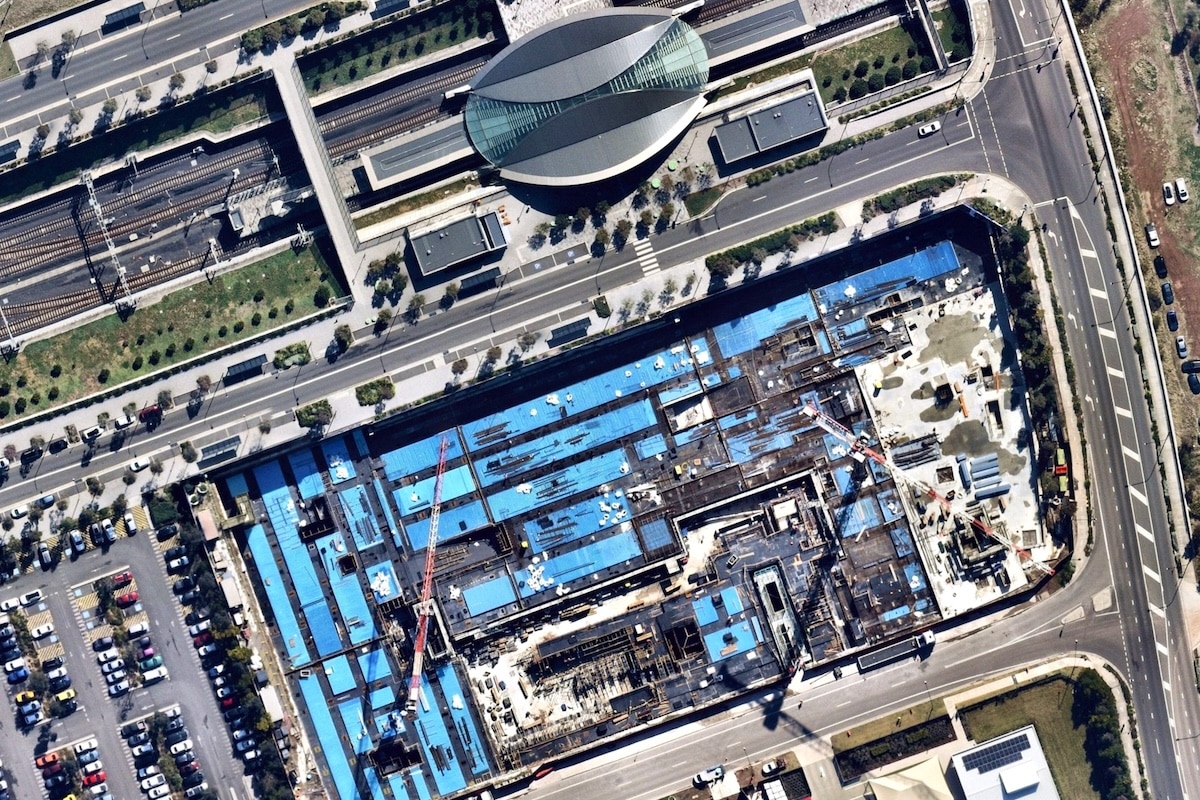
Cost, supply and delivery are moving targets in construction, but FTI Group is working to restore certainty.
Instability in construction supply chains is being driven by a mix of global pressures, many of which sit outside a project’s control. Ongoing geopolitical tensions are adding to that uncertainty, even when products are not sourced directly from those regions.
In its own business, building solutions provider FTI Group is seeing the impact in diesel and fuel prices, particularly given it runs its own logistics fleet, alongside volatility in global steel prices. The company is focused on consistency and reliability in response.
CEO Cameron Arkcoll says these pressures are creating a new baseline for the industry to work with.
“Across the construction industry, there are delays on shipments, delays on imported products, and even locally manufactured products that are waiting on components. There are also steep increases in pricing. Whether that is due to genuine cost increases or more opportunistic behaviour, the result is the same,” he says.
“It is often the middle of the chain that feels the impact. Typically, that is the builder working under a fixed-price contract, who ends up carrying the pressure.”
Related stories:
- FTI Group turns packaged supply into a program advantage
- How FTI Group built BlueDeck on testing and engineering rigour
- FTI Group delivers certainty through certified building systems
Arkcoll says a procurement-led approach is no longer sufficient to manage supply risk, and contractors need to look further up the chain into earlier design and planning decisions.
“It is no longer the point-of-sale decisions that make the biggest difference,” he says. “It is about having certainty in the supplier and end-user relationship. That means knowing a supplier will stand by the original contracted price, support the project through to completion, and avoid delays in product supply.”
It is here FTI’s model comes into focus. In many cases across the industry, a product may be designed or specified into a project now, but construction may not begin for 12 months and the product may not be required for 18 months. At that point, there is no certainty around what that product will cost.
FTI holds the price quoted at the beginning of the project, with no increases applied throughout, regardless of market conditions. The company purchases the raw materials at the point of contract, removing exposure to price increases later on.
“The current industry environment is not new for FTI – we saw the same pattern when COVID-19 began,” says Arkcoll. “While the global conditions are different, the symptoms across the industry are similar. We know how to respond, protect clients and work with suppliers to manage those conditions.”
That raises a broader question around where supply risk should sit within a project, and who is responsible for managing it. Arkcoll says it ultimately comes back to the builder.
The builder is the one carrying the cost risk, but also the one instructing the design team. There are products that are highly exposed to price fluctuations depending on what is happening across the industry.
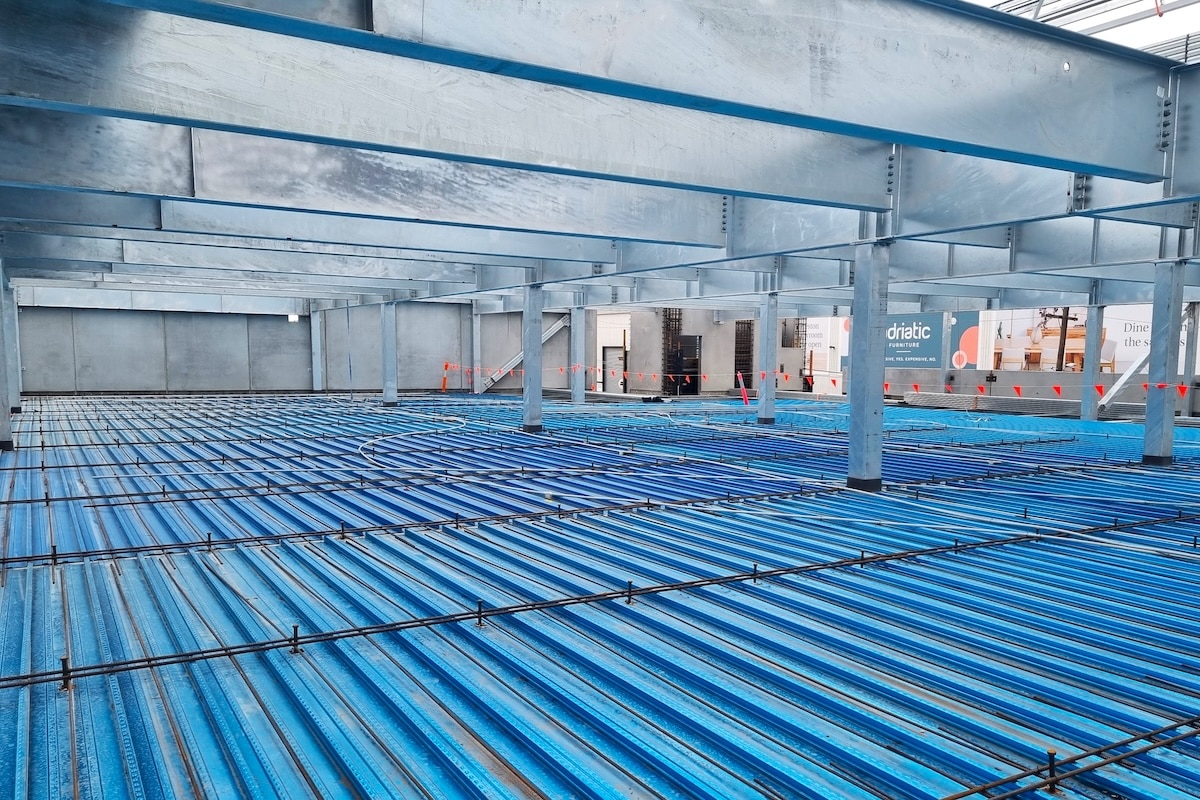
With a set price locked in for the duration of the contract across its core product range – FastTread preformed concrete stairs, BlueDeck metal decking formwork and SureFit metal door frames – FTI removes that exposure.
Arkcoll says specifiers, particularly engineers, need to be more aware of the implications their decisions have for their client.
“In a perfect world, the client would be front of mind in every decision,” he says. “In many cases, however, specifiers align themselves with products they are familiar with and have used before, rather than what is best suited to the project. That comes down to understanding how those decisions play out across cost, risk and delivery.”
Keeping pace with the market remains a challenge. Using metal decking as an example, Arkcoll says there are still builders and designers who avoid specifying it because they believe it sits at the price point it reached during the COVID-19 pandemic. In reality, pricing has come back down. In many cases, that shift has not been recognised due to a lack of research.
“Overall, there needs to be a more disciplined approach. While we are educating the market from our side, specifiers and builders also need to reassess how they approach procurement to ensure they are getting the best value. That may be immediate cost, or value realised later, such as locking in pricing for an extended period,” he says.
“We are closely integrated with our suppliers to ensure they can support us, and we take the same approach with our customers. We want to see them succeed and navigate these challenges without disruption.
“We are not looking to capitalise on volatility. The focus is on helping customers succeed, so that success continues over the long term.”
FTI can therefore have its greatest impact when engaged early. Alignment between design, engineering and supply partners provides greater certainty across the supply chain and confidence in the product from the outset, reducing the risk of issues emerging later in the project.
However, this does not simply mean defaulting to known suppliers. While it is easy to become comfortable with certain suppliers, Arkcoll says that needs to be consistently reviewed. Procurement is about understanding the market, and it is constantly changing. Supplier offerings change with it.
“It is not a set-and-forget approach – those relationships need to be reassessed to ensure they remain the right fit for the project,” he says. “There needs to be a stronger understanding of what is available, along with a willingness to be open to innovative ideas.”
While he acknowledges the term “trusted partner” is overused, he says it reflects what the industry should be looking for and what FTI strives to be.
“It is not just about price. It is the overall package we offer, from design through to manufacture and logistics, ensuring customers receive what was promised, on time, where it is needed, and at the price originally agreed,” says Arkcoll.
“The outcome is reliable, design-led supply – on budget, on time, with a happy client and supplier.”
The post FTI Group locks in supply certainty appeared first on Inside Construction.
View Source


Comments
Post a Comment