
Construcciones Yamaro: Justine Youl: Going all in on safety
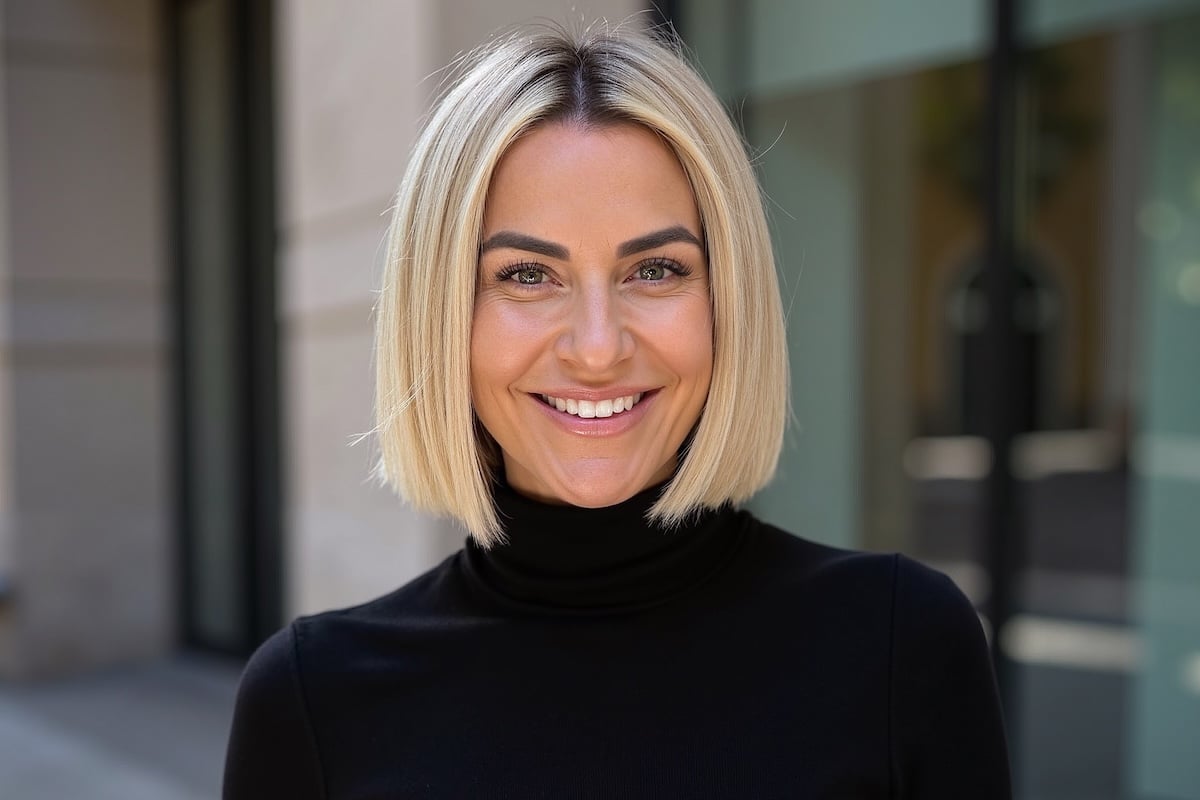
Justine Youl has seen the difference between safety on paper and safety on site, and she decided it was time to do something about it.
After more than 20 years in construction and heavy industry, Justine Youl sold everything, moved to Bali with her three children and set out to build a company from scratch. It wasn’t a sudden move, but the result of years spent working on site and questioning how things were done.
At 18, Youl wanted to become an electrician. It was a natural direction, growing up in a family of tradies.
“I come from a family of three brothers who are all plumbers, and my father is a plumber as well. He talked me out of it,” she says. “He had an old-school view that it wasn’t something a woman could do. Looking back, I think this was his way of protecting his little girl. A lot has changed since then, and I even considered pursuing an electrical career a few years back.”
After meeting her now ex-husband, Youl travelled across Australia following his work, eventually landing in Darwin, where opportunities were limited and often remote.
She started out as a plant operator in the mines, working with excavators and dump trucks, drawn to hands-on work and with no interest in stepping into an office environment. From there, she moved into health and safety with the same company, later joining one of Australia’s largest construction firms as a senior safety advisor.
Related stories:
- BYDA report flags gaps in underground utility strike prevention
- Neverfail keeps site hydration consistent
- Budgeting for heavy vehicle compliance and risk
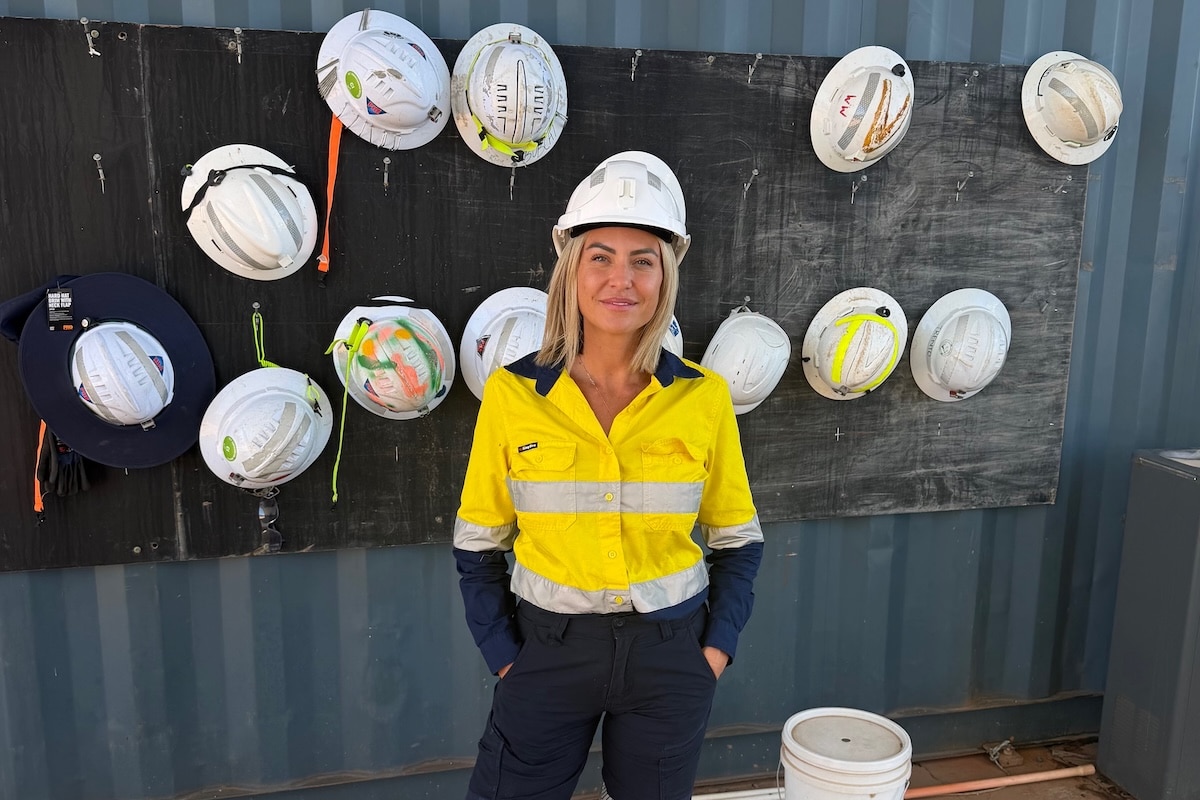
Her early years in construction were spent in environments where it was rare to see another woman on site. At the time, it was simply the reality of the work. In hindsight, it set the course for one of the biggest risks – and opportunities – of her career.
“Early on I worked on a project in Gladstone, Queensland, where there were only about five women in white-collar roles on a site of 3,500 people. You were expected to have thick skin, and there wasn’t much support for women in the industry, but that didn’t really bother me. I was there to do a job. The main thing I pushed for was the basics, like female toilets and sanitary bins,” she says.
“While there is now a strong focus on women in construction, I sometimes feel it can create division. In my experience, I earned my stripes by doing the work. If I can turn up, perform and deliver, that is what matters. It shouldn’t come down to whether a woman is doing a man’s job or vice versa.”
Two decades on, Youl saw little change, particularly in health and safety. The role carried a stigma on site, often associated with compliance and seen as getting in the way of the work. Saying she worked in health and safety was frequently met with a negative reaction, something she says still holds true today, even among those closest to her.
“One way to lose respect on site instantly is to say you are the safety advisor… that has been my experience. Even my son jokes about it. That perception comes from years of systems that focus on ‘tick-box’ compliance rather than genuinely improving safety outcomes,” she says.
“I have seen the impact of injuries on site, been involved in investigations into fatalities, and witnessed incidents that people never recover from.
“More recently, I lost my brother, who also worked in construction, to suicide. These experiences have reinforced for me the importance of protecting and engaging frontline workers.”
Much of the work centred on systems designed to protect companies, rather than the people on site, something Youl found increasingly difficult to reconcile
At that point, Youl reached a decision: “I thought, if something is going to change, I need to do something about it. I never really understood why I was in health and safety and suddenly it all made sense.”
With her background in construction, she understood the challenges firsthand. The idea for SiteSherpa followed. At the time, she had limited savings and needed to find a way to make it work.
Unable to work in Australia in the way she needed to, she sold everything and moved with her children to Indonesia. From Bali, she taught herself to code using YouTube and developed the first minimum viable product (MVP), before the widespread use of AI tools.
That MVP was implemented within an ASX-listed business in Australia, giving her proof of concept. From there, she focused on building the business over 12 months.
“I have bootstrapped the business and still own 100 per cent of the company. I have built a healthy national consulting business alongside the tech, with some businesses needing both, not one or the other,” she says.
“I went from knowing nothing about tech to stepping into a completely unfamiliar space. It has been a true test of grit and determination. It is the hardest thing I have ever done.
“It isn’t like investing your money in a house and watching it be built. It is investing everything into something you can’t see, trusting that what is being built will work. There is a huge amount of risk involved.”
Today, SiteSherpa is built for organisations of all sizes, bringing core safety and risk processes together in one system. It covers everything from contractor management and training to incident reporting and asset tracking, reflecting the challenges Youl saw on site.
One example is voice reporting. Workers are often expected to complete written risk assessments with little guidance, and not everyone is comfortable writing detailed reports. The platform allows them to report hazards and incidents without typing, removing a barrier that often stops issues from being reported at all.
The platform also incorporates AI tools, including a SWMS generator and ISO gap analysis, and streamlines contractor onboarding. A contractor can enter their ABN and have a profile that transfers across multiple companies, reducing duplication and friction.
“There is traditionally a lot of friction in all of those processes, and we have been able to reduce that friction and provide value by simplifying them,” says Youl.
“To see it come to life and bring this product to market in just 18 months has been incredible. We worked extremely hard to get it there, and we continue to develop and innovate as we work to become a global leader in the space.
“The most meaningful achievement in my career has been building and leading this business. I am proud of the team and what we have created. Leadership, to me, isn’t about ego. It is about building a place people want to be, where they contribute and take pride in the work. That is the legacy I care about.”
With plans to expand internationally later this year, Youl is focused on growing the business while challenging long-standing processes that stay in place simply because they have always been done that way.
While the platform is used across high-risk industries, construction is the sector she is most drawn to.
“I love the construction industry. I love how fast-moving it is. I love driving past projects and being able to say to my kids that I have worked on them,” she says.
“There is also the scale. I can go into a smaller construction project, then into one that is incredibly large, with many moving parts and multiple stakeholders.”
It is a big shift from being one of the few women on construction sites to now leading a tech business improving safety across high-risk industries, but one Justine Youl has embraced wholeheartedly.
And the work is far from finished. It is only just getting started.
The post Justine Youl: Going all in on safety appeared first on Inside Construction.
View Source


Comments
Post a Comment