
Construcciones Yamaro: Knauf systems support durable building interiors
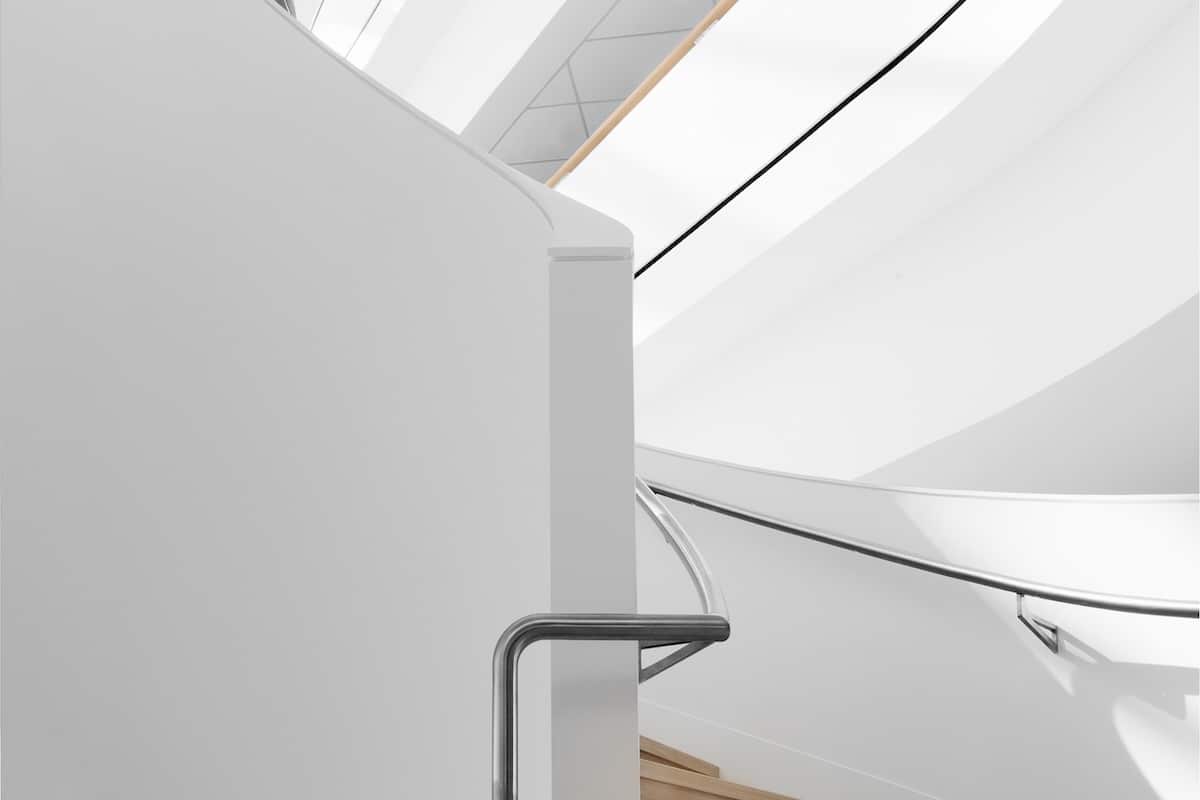
Knauf systems give internal walls and ceilings staying power in spaces that see constant wear.
Facilities exposed to constant traffic ask a lot of internal walls and ceilings. They need to withstand impact, satisfy functional requirements, maintain a clean finish and limit repair disruption, often in spaces that can’t easily be shut down when damage occurs. Knauf MultiStop ONE and FIBEROCK Aqua-Tough boards give project teams a way to add strength where it is needed most, without treating impact resistance as separate from broader design, compliance and construction requirements.
The range is graduated by exposure. MultiStop ONE combines fire, water, mould and impact resistance with acoustic performance in a single gypsum plasterboard, making it suitable for healthcare, education, aged care, public buildings, hotels and student accommodation. MultiStop ONE HI adds mesh reinforcement for areas subject to higher wear or incidental impact, including specialist healthcare, data centres, police stations and gymnasiums.
At the top of the range, FIBEROCK Aqua-Tough is a fibre-reinforced gypsum board for areas requiring very-high impact resistance, such as healthcare and mental health projects, defence and corrections facilities, and indoor sporting courts.
Knauf national architectural specifications manager Kelly Watson and senior development engineer Daniel Lim say the graduated approach helps simplify high-impact specifications.
“Architects and specifiers have a lot to think about when they are designing a building. It is never just the walls or ceilings. They are thinking about the whole building, the way each space will be used and the different performance requirements that need to be met,” says Watson.
“Having options that combine several performance attributes can make the specification process more straightforward and practical.”
Related stories:
- Hiring for skills in construction matters more than ever
- Justine Youl: Going all in on safety
- Sydney’s west to gain TAFE Construction Centre of Excellence
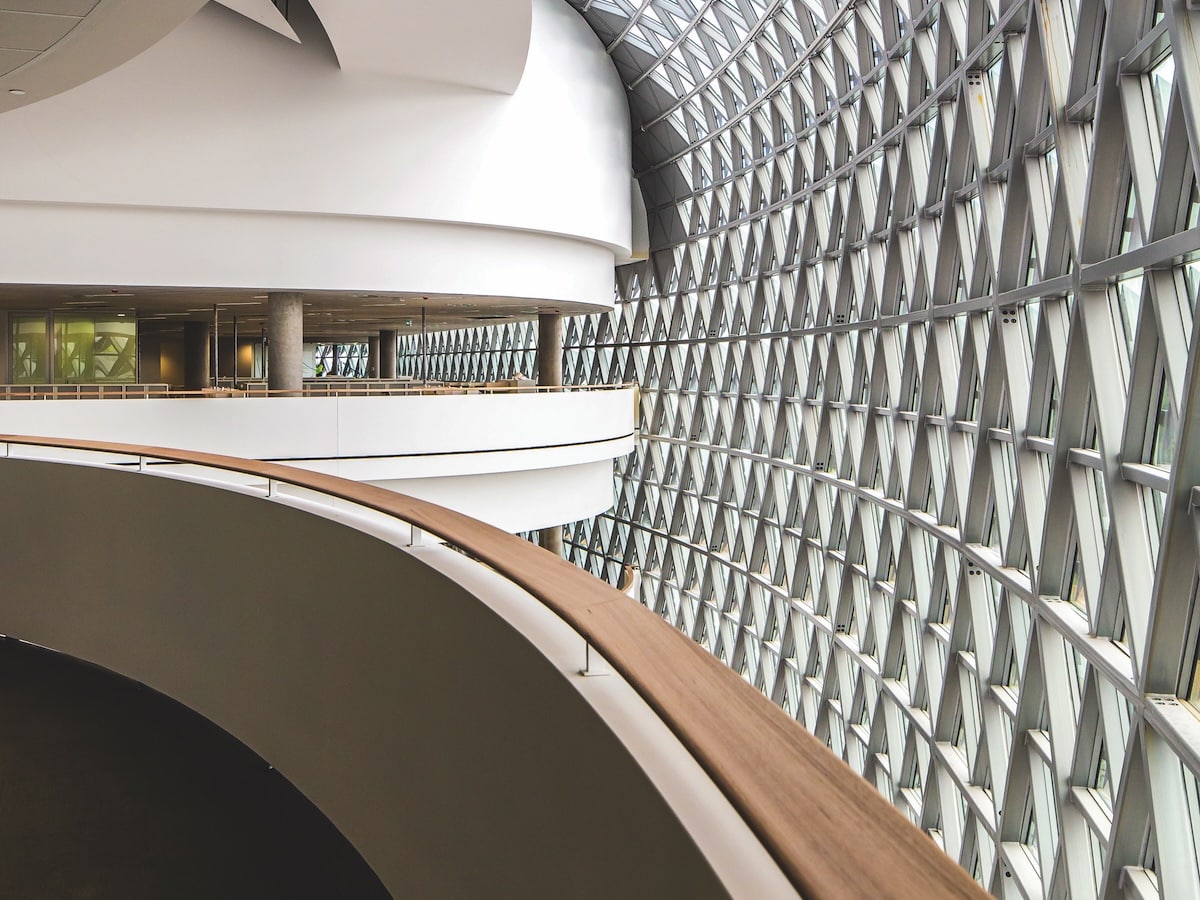
On many projects, the boards work best in combination. FIBEROCK is often used as the lower sheet, up to about 1200mm in hospital corridors where walls are most exposed to trolleys, equipment and traffic, while MultiStop ONE covers the upper zone less prone to damage. Both products are gypsum-based, so they can be installed and finished using the same plasterboard methods, producing a smooth, consistent finish and high joint strength that resists cracking.
FIBEROCK’s paperless, homogeneous surface resists delamination, scratching and picking, making it ideal for mental health projects. It also provides a stronger substrate for applied finishes.
“With normal plasterboard, including MultiStop ONE, there is usually paper on each side with the gypsum core in the middle. FIBEROCK, being completely paperless, creates a stronger bond line for paint, tiles and abrasion-resistant coatings,” says Lim.
“If tiles are installed on FIBEROCK, the adhesive bonds into the board itself. With standard paper-faced plasterboard, the adhesive bonds to the paper, and the paper is bonded to the core, which reduces tile-weight capacity.”
FIBEROCK can support up to 50kg per square metre, compared with 32kg for MultiStop ONE, making it better suited to heavier finishes in wet zones and lobby spaces.
The same capacity carries through to fixtures. In hospitals, aged care facilities and other occupied buildings, handrails, wall-mounted televisions and specialised medical equipment often require backing support. With FIBEROCK, suitable fixtures can be attached without relying solely on studs or noggings.
“It gives designers and installers more options, because those items don’t have to be located only where the framing allows,” says Watson.
Installation is straightforward, and handling is easier. Contractors are increasingly seeking alternatives to fibre cement products, which contain crystalline silica and require strict dust controls when cut with power tools. Those controls can involve separate cutting areas and repeated material movements. As a homogeneous, paperless gypsum product with no cement in its composition, FIBEROCK can instead be scored and snapped, saving time and reducing site complexity.
“Because it is easy to cut, builders can reuse offcuts more efficiently during installation, so there is less material waste. FIBEROCK also contains 95 per cent recycled content, which adds another sustainability benefit,” says Lim.
“Across FIBEROCK and the MultiStop ONE products, there are Environmental Product Declarations (EPDs) available, along with GECA certification and Product Aware listings. That gives project teams access to the sustainability information they need for projects with targets such as Green Star.”
The value of impact-resistant board selection often becomes most visible after handover, when walls begin to meet the daily realities of the building. Watson says the wrong lining can lead to recurring maintenance, particularly in high-traffic areas exposed to trolleys, equipment, fixtures and constant movement.
“The issue is greater in healthcare and other operational environments, where corridors or patient areas may still need to remain in use. Repairing damaged walls can require closing sections, disrupting access and adding cost,” she says.
“If the lining is suited to the environment from the beginning, project teams can reduce the likelihood of repeated repairs.”
Knauf’s Autodesk Revit and Graphisoft ARCHICAD tool, BIM Wizard, helps architects and specifiers select the right board for each application. FIBEROCK and MultiStop ONE systems are available as data-rich files for drawings and documentation, allowing users to select prepared wall systems that align with the required performance.
Where internal walls and ceilings need to withstand wear, meet project requirements and keep occupied spaces working, the right board keeps earning its place long after handover. Knauf MultiStop ONE and FIBEROCK systems connect durability, finish and constructability from selection through to service.
FIBEROCK in Australian health projectsKnauf has supplied FIBEROCK to several major hospitals and medical centres across Australia, including the South Australian Health and Medical Research Institute (SAHMRI), Hornsby Mental Health Facility, the Royal Children’s Hospital in Melbourne, Robina Hospital on the Gold Coast, Sunshine Coast University Hospital, Gold Coast University Hospital and Midland Hospital in Perth, with volumes ranging from 40,000sqm to 365,000sqm. |
The post Knauf systems support durable building interiors appeared first on Inside Construction.
View Source


Comments
Post a Comment