
Construcciones Yamaro: Addressing the construction industry’s underground blind spot
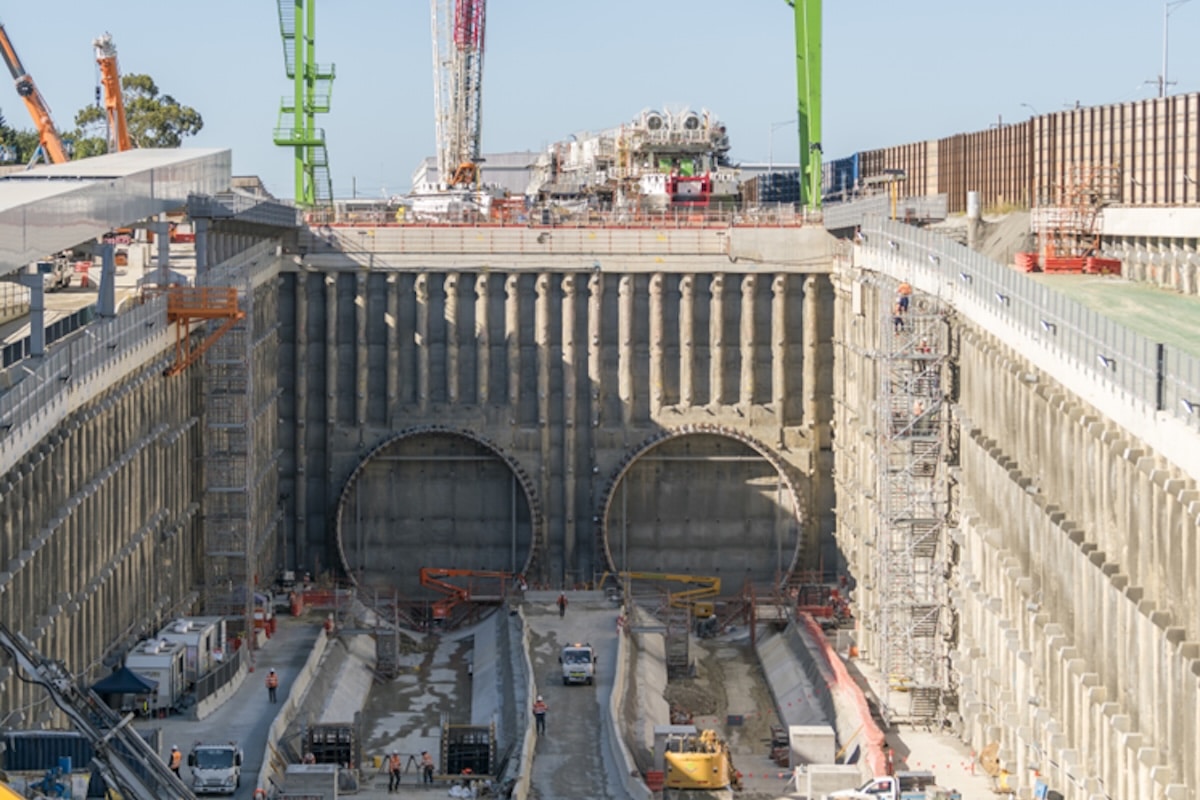
Better understanding of underground conditions can help construction teams reduce risk and improve decision-making throughout infrastructure delivery.
By Pat McLarin, civil segment director at Seequent.
Australia is in the middle of an ambitious infrastructure program, with $242 billion in major public investment planned through to 2029, according to Infrastructure Australia’s 2025 Infrastructure Market Capacity report. The challenge is turning that investment into projects delivered with greater confidence and productivity, especially as recent setbacks show how quickly ground risk can undermine cost and schedule certainty.
The pressure to improve project delivery came into sharper focus in August, when the Australian Constructors Association and Consult Australia launched new Design – Best Practice Principles aimed at improving construction productivity. Their message was clear: poor design processes create delays, cost escalation and wasted capacity, while earlier contractor engagement and digital collaboration improve delivery.
The guidance, however, leaves an uncomfortable truth largely unspoken: on major infrastructure projects, uncertainty below ground rarely stays there. Identified too late, ground risk can drive redesign, program disruption and cost pressure across a project.
Simply put, successful design and construction must be ground-informed. You cannot predictably build on what you do not understand.
Related stories:
- BYDA report flags gaps in underground utility strike prevention
- Engineers Australia calls for underground infrastructure investment
- UNSW explores underground tunnels
This is not a new or controversial thesis. In my conversations with industry leaders around the world, ground risk is readily acknowledged, with war stories ruefully exchanged about projects where poorly managed ground risk blew out budgets and timelines and finger-pointing followed.
For governments, asset owners, designers and construction contractors, uncertainty underground is not simply a technical issue but a delivery risk. Before designs, budgets and delivery assumptions harden, project teams should ask: do we understand the ground conditions well enough to design, price and deliver the project with confidence?
What has changed is our ability to manage that uncertainty. Going digital by default, as the Design – Best Practice Principles advocate, is now practical, and major projects are demonstrating its value.
On Melbourne’s North East Link, faced with a vast amount of site investigation data, project teams created a shared view of site conditions for design and construction planning. The approach helped save $16 million by enabling more than one million cubic metres of material to be recycled for construction rather than sent to landfill, while more efficient sharing of subsurface information saved more than 10,000 work hours.
The consequences can be even more immediate once construction begins. On Indonesia’s Trans-Papua Road, slope stability analysis informed ground reinforcement decisions that saved up to US$1 million, shortened the schedule by two months and helped avoid an estimated US$2.5 million in potential landslide damage.
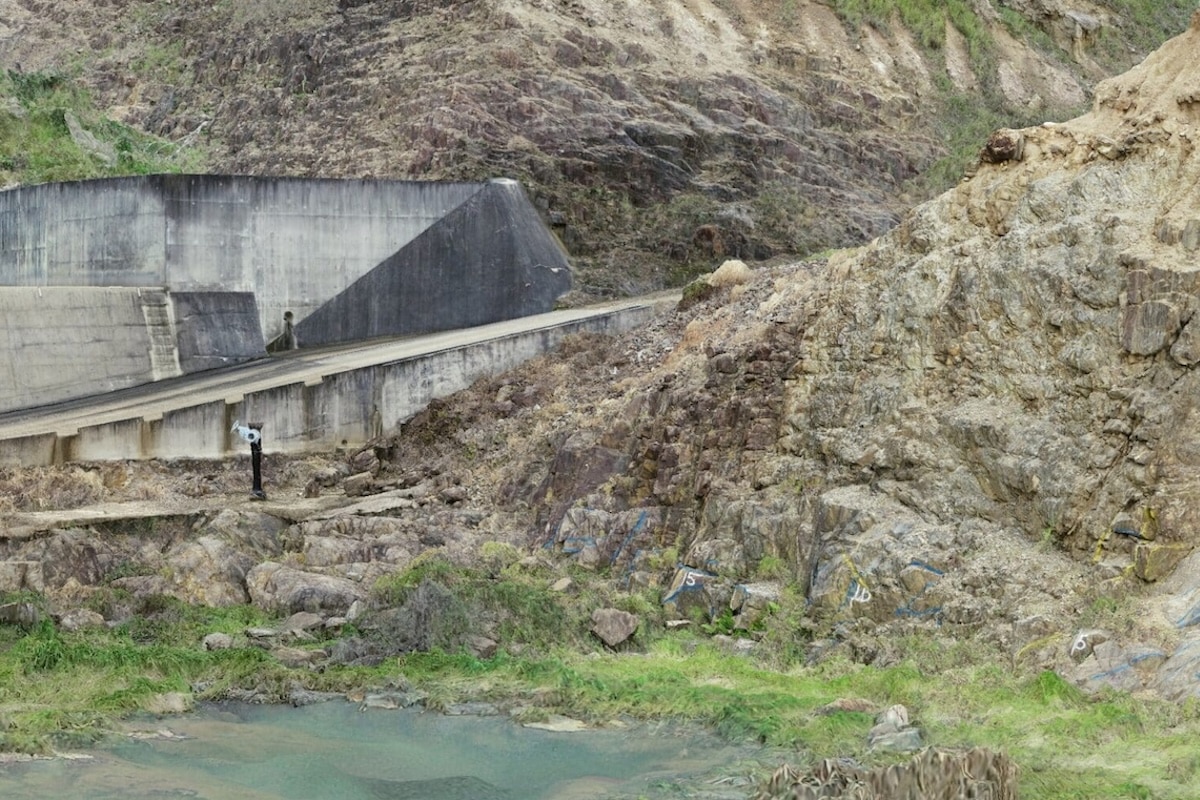
At Queensland’s Cressbrook Dam, GHD brought three decades of geological information together with current site data, creating a digital resource that can continue to inform future dam safety decisions. The approach also saved $80,000.
These are different projects at different stages of the infrastructure lifecycle, but the principle is the same: better understanding below ground enables better decisions above it.
As infrastructure projects become larger and more technically complex, the cost of carrying uncertainty further into design and construction increases. Across a national pipeline of major projects, even modest reductions in uncertainty, delay and rework can translate into meaningful gains in productivity and delivery performance, while reducing the risk of costly project failure.
That makes subsurface understanding an ongoing part of project decision-making, rather than something confined to early site investigation and design. It needs to evolve as new evidence emerges, giving project teams a more reliable basis for decisions throughout delivery and into operation.
Australia’s infrastructure investment program does not lack ambition. Addressing the subsurface blind spot offers an opportunity to reduce the risk of avoidable failures when ground conditions are poorly understood. The success of the program will depend not only on what Australia builds, but on how effectively project teams can turn uncertainty below ground into confidence above it.
The post Addressing the construction industry’s underground blind spot appeared first on Inside Construction.
View Source


Comments
Post a Comment